

Exploring The Big Candy: History and Industry Impact
Discover The Big Candy 🍬 history, market role, marketing tactics, consumer trends, challenges, and future outlook in Australia’s confectionery scene.
Edited By
Grace Wilson
Big Candy Mountain has charmed audiences for over a century, weaving together the worlds of folklore, music, and cultural storytelling. It originated as a whimsical vision of an imaginary place where life's troubles melt away and every delight is found in abundance. This idea first emerged in American folk traditions but has since travelled far and wide, inspiring songs, stories, and cultural references.
At its core, Big Candy Mountain represents a form of escapism. The concept appeals to people looking for a sweet retreat from harsh realities, a place where candy grows on trees and the rivers run with soda. Folk singer Harry McClintock's 1928 track "Big Rock Candy Mountain" popularised this dream, painting vivid scenes that still resonate today.
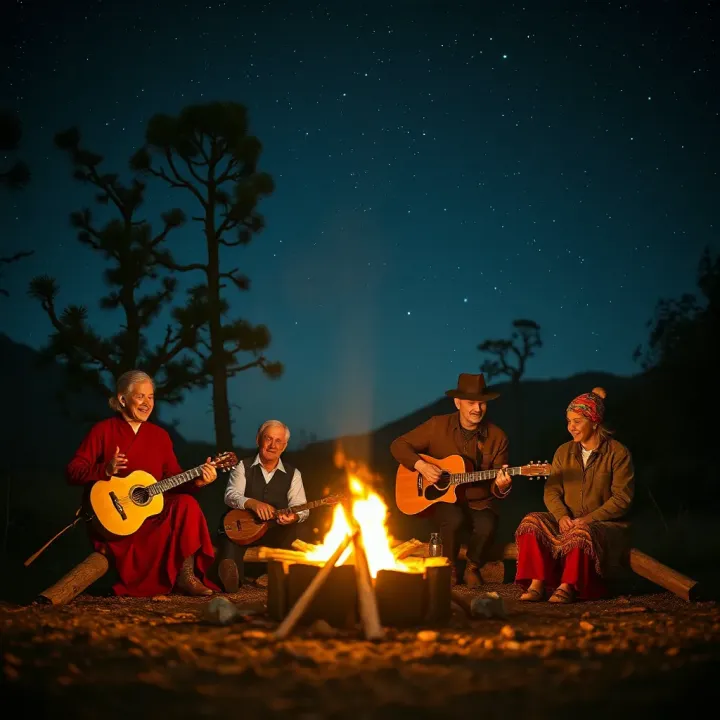
The enduring allure of Big Candy Mountain lies in its blend of innocence and rebellion — a utopia where rules bend, and pleasure takes centre stage.
The themes commonly explored include freedom from hardship, abundance, and a carefree lifestyle. These are especially relatable in gambling and gaming cultures, where the thrills and hopes of hitting the jackpot echo the mountain's promise of easy rewards. Modern digital content creators and casino marketers often tap into these motifs, crafting narratives that echo the joyous, limitless vibe of Big Candy Mountain to engage audiences.
In addition, the mountain's imagery continues to inspire folk traditions, resurfacing in creative works and promotions with an emphasis on nostalgia and the sweetness of simple pleasures. Its story underscores the power of storytelling in forming cultural touchstones that persist through changing times.
Understanding Big Candy Mountain's origins and themes gives a clearer picture of why it persists in popular consciousness, especially among communities that value story-driven experiences such as poker players and casual gamers. It stands as a symbol of hope, fun, and a little bit of cheeky defiance against life's grind.
The next sections will explore its history in greater depth, unpack the motifs it embodies, and examine its cultural impact both past and present.
Understanding the origins of Big Candy Mountain sheds light on why this folk tale resonates beyond its simple story. This context anchors the legend in specific cultural movements and historical moments, offering insight into its enduring relevance—especially for those interested in folk traditions and cultural storytelling.
Big Candy Mountain grew out of tramp and hobo culture during the early 1900s. Hobos were itinerant workers who often hopped freight trains, seeking temporary jobs across the US. For them, Big Candy Mountain symbolised an unreachable paradise—a sweet escape from their rough travels and hard lives. This theme remains important today as it reflects the universal human desire for better chances and a break from hardship.
In practical terms, understanding this culture reveals how stories like Big Candy Mountain became a mix of hope and irony. These tales offered transient workers a shared language and identity, providing a form of emotional resilience when life on the rails was tough.
Railway workers, including those who maintained tracks and operated trains, played a big role in spreading the Big Candy Mountain myth. Their nomadic lifestyle mirrored that of hobos, and their stories often crossed paths with hobo folklore. These workers helped carry the song and legend through different regions, contributing to its spread and the diversity of its versions.
From a practical perspective, these railway connections explain the geographical spread and variation of the Big Candy Mountain narrative. It highlights how working-class storytelling was shared and adapted among communities connected by the national rail network.
Big Candy Mountain first appeared in print and recordings in the early 20th century, notably through folk songs collected by folklorists. These first appearances helped cement it as a recognised folk motif rather than just an oral tale. Folk music archives, such as those compiled by John Lomax and Alan Lomax, contain some of the earliest versions, showing how the story appealed to both rural and urban audiences.
Knowing these origins lets readers appreciate how folklore moves between spoken word and documented culture, preserving tales that might otherwise fade.
As the Big Candy Mountain story travelled, different areas put their own spin on it. For example, versions in the southern US might emphasise certain luxuries—like cigarette trees or soda pop fountains—that reflect local culture and desires. Australian adaptations then sometimes altered these details to better fit local imaginations.
This regional adaptability is key, showing how folk stories stay alive by evolving with their audience. For digital content creators and marketers, recognising how narratives shift to suit different audiences can help craft more engaging, relatable stories for target markets.
Big Candy Mountain's journey from tramp culture to folk music highlights how stories adapt to reflect the hopes and hardships of everyday people, making it a rich example of cultural storytelling in action.
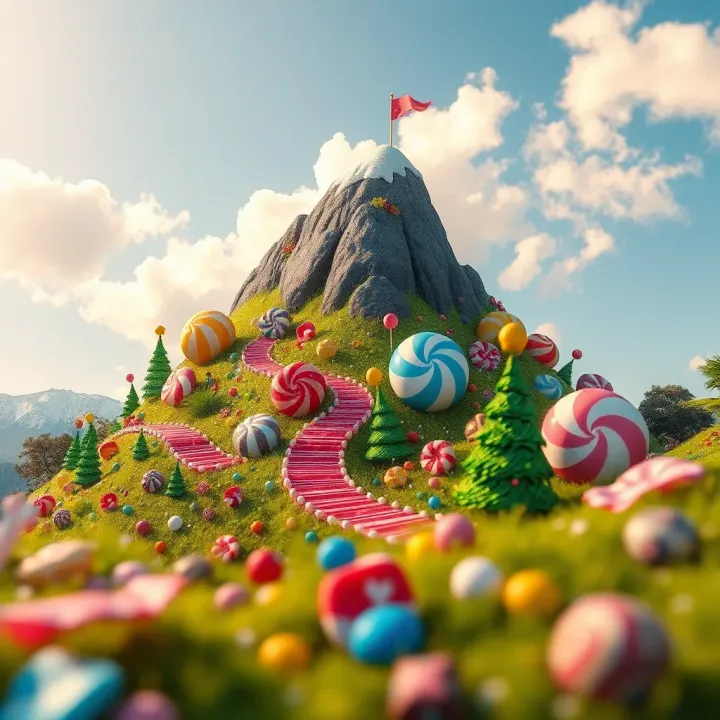
The themes and imagery embedded in Big Candy Mountain provide a rich backdrop that resonates deeply with audiences, especially those interested in the blend of folklore and escapism. These elements aren't just decorative; they reflect a deeper yearning for relief and joy in tough times, which makes the legend appealing across generations.
At its core, Big Candy Mountain represents an idyllic fantasy—a place where the ordinary rules of hardship and struggle don’t apply. Imagine a land where candy grows on trees, and rivers run with lemonade. This fantastical landscape offers a vivid contrast to the often grim realities experienced by itinerant workers and travellers who first sang about it. For those who’ve faced tough gigs or long stints on the road, Big Candy Mountain offers a mental getaway, a kind of sweet haven where worries melt away.
From a practical angle, this symbolism feeds into the allure of escapism found in gaming and storytelling. For casual gamers or poker players, it’s easy to see why such imagery captivates; it mirrors the thrill of chasing a jackpot or the hope of a lucky break.
Big Candy Mountain doesn’t just paint a dreamlike scene—it embodies a form of freedom. In songs and stories, it’s a world without bosses, endless work, or cold nights sleeping rough. This freedom from hardship is why the myth endures. It’s not just about sweets; it’s about the chance to live without the usual struggles.
For casino marketers or digital content creators, tapping into this theme can be powerful. The idea of escaping daily grind resonates with players seeking fun and reward online, making it a useful motif for engagement and creating relatable narratives.
The candy imagery draws heavily on childhood nostalgia and innocence, invoking a time when life's problems seemed smaller or more manageable. The use of sweets as metaphors connects with a universal craving—for comfort, joy, and simplicity. It’s no accident that this kind of imagery sticks; it reaches into shared experiences and emotions.
This aspect is particularly useful in marketing for casual gaming or casino platforms. By appealing to childhood memories and simple pleasures, content creators can craft messages that feel welcoming and non-threatening, lowering barriers for new or hesitant players.
Yet beneath the sugar-coated fantasy lies a stark contrast. The travellers who dreamed up Big Candy Mountain often faced hunger, cold, and loneliness. This contrast makes the fantasy sweeter—it presents what could be, not what is. In a way, Big Candy Mountain acts as a mental balm for hard days.
Understanding this contrast is crucial for anyone involved in crafting content or narratives around escapism. It highlights the importance of balancing idealism with reality, ensuring stories remain authentic while still offering hope and excitement. For poker players and gamblers, this balance mirrors the tension between risk and reward, a key part of their experience.
The enduring appeal of Big Candy Mountain lies in its blend of harsh reality and sweet fantasy—a duality that continues to inspire and comfort people navigating life's challenges.
In sum, the themes and imagery of Big Candy Mountain provide more than just storytelling flair. They offer practical playgrounds for ideas about escape, desire, and resilience—making the legend a useful touchstone for both creators and audiences in gambling and gaming communities.
Big Candy Mountain has carved out a unique place in popular culture, especially through its roots in folk music and later appearances in literature and media. This cultural presence has helped the legend remain relevant, allowing it to reach a wider and more diverse audience beyond its origins in tramp and hobo folklore. For creatives and marketers in gaming and entertainment, understanding these cultural touchpoints offers valuable insight into how themes of escapism and fantasy resonate across different platforms.
The song "Big Rock Candy Mountain" gained widespread recognition through early recordings by artists like Harry McClintock in the late 1920s. His version, recorded in 1928, captured the imagination of many with its whimsical description of a carefree land where troubles don't exist. This folk tune found its way into American music halls and later influenced country and bluegrass artists, cementing its place as a staple in folk repertoire.
For those involved in casino marketing and digital content, the song’s themes of wonder and indulgence reflect the escapism many players seek. The catchy, easy-to-sing chorus works well when aligned with promotional campaigns or storytelling elements aimed at evoking nostalgia and a sense of adventure.
Over decades, "Big Rock Candy Mountain" evolved with various artists adding their touches, sometimes making the lyrics more playful or satirical. For instance, contemporary versions introduce modern slang or tweak the fantasy elements, keeping the song fresh for new generations. This ongoing adaptation shows how traditional material can be repurposed to fit changing cultural moods.
In practice, this evolution highlights the importance of flexibility when reusing classic themes in content creation. Whether designing a game narrative or writing scripts for digital platforms, taking inspiration from such adaptable folk material allows for innovative storytelling while maintaining a link to tradition.
Big Candy Mountain has popped up in various novels and films, often used as a symbol of escape or an idealised world. For example, Tony Hillerman’s novels include references to similar imagery, using folk motifs to deepen characters’ backgrounds and the story’s emotional impact. Films like "O Brother, Where Art Thou?" also incorporate its themes, embedding the idea of a promised land free from hardship.
For creatives, these references offer a way to enrich narratives by tapping into shared cultural symbols. It can help deepen engagement, especially when the target audience recognises the nod to folklore or enjoys stories that blend fantasy with real-world struggles.
Recent media often reimagine Big Candy Mountain either as a gaming world or a metaphor for escapism in the digital age. Animated series or indie games may use it as a backdrop to explore themes like innocence lost or the contrast between reality and fantasy. These reinterpretations underscore the ongoing relevance of the legend, allowing it to connect with audiences who engage more visually or interactively.
For marketers and content creators, this shows the value of blending tradition with contemporary sensibilities. Using Big Candy Mountain as a narrative device or thematic element introduces familiarity while opening space for fresh perspectives, making it a versatile tool across various media formats.
Understanding Big Candy Mountain’s role in popular culture reveals how folk themes can cross into mainstream creativity, offering rich material for innovation in music, literature, and visual media alike.
The cultural significance of Big Candy Mountain lies in its role as a symbol of escapism and hope across various folk traditions around the world. Its legacy extends beyond American folklore, resonating in other cultures that share similar storytelling patterns. By understanding these connections, one gains insight into the universal human desire for a place free from hardship — a theme that still captivates audiences today.
Australian folk tales often echo the same longing for a better life found in Big Candy Mountain. Stories of the "Never-Never" or the mythical bushland Eldorado capture a similar fantasy of abundant natural wealth and freedom. These narratives offered early settlers and travellers alike a mental refuge from rugged conditions, much like the railway workers' hymns of Big Candy Mountain. This similarity highlights how folk traditions adapt universal motifs to local environments, making lore more relatable and practical.
Such legends are useful tools in cultural storytelling because they help communities share values about resilience and aspiration. For example, bush ballads that speak of escaping to a land with plentiful food and water reinforce the importance of endurance and hope for many Australians, particularly during the hardships of the 19th and early 20th centuries.
Big Candy Mountain’s themes travel well beyond Australia and the US. Many international folk traditions include paradises or utopias filled with abundance, such as the Scandinavian tales of Alfheim or the Japanese concept of Furusato — a nostalgic ideal of home where life is kinder. These stories reflect a common psychological need to envision a peaceful refuge, turning it into a practical coping strategy for those facing daily struggles.
The continued popularity of such motifs in storytelling, music, and cultural festivals across countries shows their enduring appeal. In the context of gambling and gaming, for instance, the metaphor of a candy-coated paradise can be seen in slot machine themes and game narratives that offer players a momentary escape from real-life stresses.
Big Candy Mountain inspires artists, writers, and game developers by providing a rich, symbolic backdrop for exploring themes of freedom, excess, and fantasy. Its vivid imagery has been reworked into modern media — from folk music covers by artists like Burl Ives to visual artwork depicting candy-coated landscapes.
In practical terms, creative professionals use Big Candy Mountain as a metaphorical setting to engage audiences emotionally. For gamblers and gamers, this adds a narrative layer that enhances the experience, making it more than just chance but a story with deeper meaning.
The theme of Big Candy Mountain remains relevant today, particularly in digital storytelling and social media, where escapism is a big draw. It surfaces in everything from indie video games that let players explore bright, surreal worlds, to advertising campaigns for sweets or entertainment, harking back to that idea of carefree indulgence.
Big Candy Mountain acts as a cultural touchstone reminding us how storytelling adapts to reflect current experiences — whether that’s the struggles of the early 20th century or modern-day stresses.
For casino marketers and content creators, the legend’s playful yet powerful symbolism offers a fresh way to connect with audiences seeking both thrill and comfort. Understanding this legacy can help craft campaigns and content that resonate on a deeper, familiar level.
Discover The Big Candy 🍬 history, market role, marketing tactics, consumer trends, challenges, and future outlook in Australia’s confectionery scene.

Explore Big Candy Rock Mountain 🏞️: discover its unique geology, local flora and fauna 🌿🐾, fascinating history, plus handy tips for your next visit 🥾📍.

🍬 Discover how the big candy play shapes strategies in Aussie business, sports & finance. Learn risks, rewards & real cases for smarter decisions down under.

Discover the history and charm of big candy rings 🍭, explore styles, materials, and top tips to pick and personalise these fun, nostalgic treats for any event.
Based on 14 reviews