
Big Candy Bars: Why They’re So Popular
Discover why big candy bars 🍫 are winning hearts, their history, how they fit your snacking habits, plus the challenges in making these larger treats. 🍬
Edited By
Liam Foster
The Mr. Big candy bar has carved out its own niche in the confectionery world, especially in Australia where it enjoys steady popularity. To understand why it stands out, it's worth looking at where it all began and what exactly this bar offers.
Originally launched in Canada in the mid-1980s by Nestlé, Mr. Big made its way to Australia and found favour among chocolate lovers for its generous size and unique combination of ingredients. It’s essentially a layered treat—a mix of wafer, caramel, peanuts, and vanilla crème, all coated in milk chocolate. This combo creates a multi-textured experience, balancing crunchiness with creamy and chewy elements.
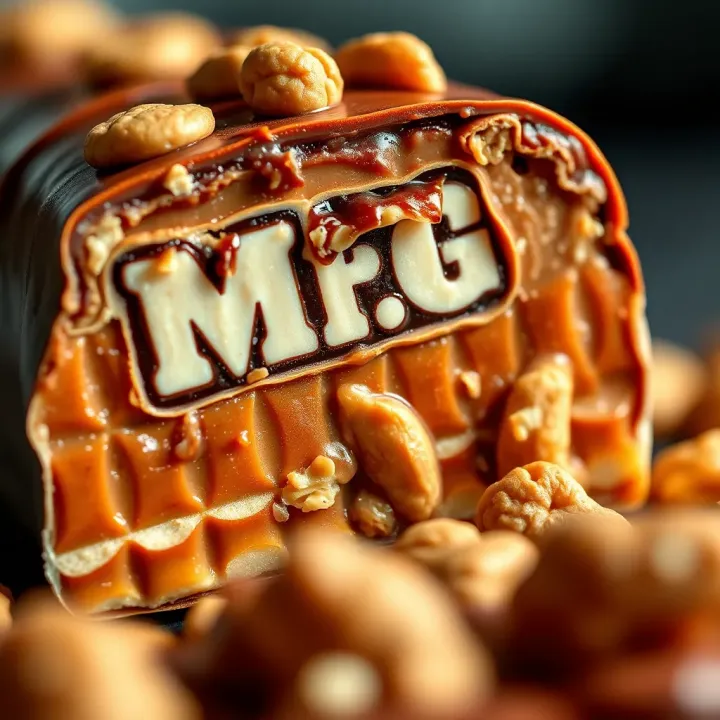
What makes Mr. Big particularly interesting is not just its size but the way its flavours and textures work together, giving it a distinctive presence compared to other bars.
This candy bar taps nicely into the Aussie liking for substantial snacks that satisfy hunger and sweet cravings alike. Unlike more common chocolate bars that focus solely on cocoa or nuts, Mr. Big spreads its appeal across different tastes.
From a marketing angle, the brand has leaned into its ‘big’ identity, often targeting younger demographics and those looking for a shareable treat. Its presence in convenience stores, supermarkets like Woolworths and Coles, and petrol station shops helps keep it accessible.
Over the years, it’s built up a steady fan base, partially due to clever advertising campaigns and the nostalgia factor. For anyone curious about the story behind their favourite chocolate bar or looking to explore how candy shapes culture and consumer habits, the tale of Mr. Big offers some sweet insights.
This introduction sets the stage for a deeper look into Mr. Big’s ingredients, nutritional details, market position, and how it stacks against other popular favourites in the confectionery aisle.
Understanding the origins and background of the Mr. Big chocolate bar helps explain why it has carved out a unique spot on the sweets shelf, especially in places like Australia. This section sheds light on the bar’s beginnings, the brand behind it, and how it expanded beyond local markets to become a familiar name internationally.
Mr. Big was first introduced in Canada by Nestlé in the late 1970s. The bar was designed to stand out with its unusually large size and layers of flavours including caramel, wafer, and peanuts covered in milk chocolate. The idea wasn’t just to offer a standard chocolate bar but something more substantial and satisfying – a sweet snack that was bigger in every sense, hence the straightforward name.
Nestlé developed Mr. Big with the local Canadian market in mind initially, where it enjoyed decent popularity. What makes its creation story interesting is how it followed a period when confectionery brands were experimenting with bigger bars to appeal to consumers looking for a heartier treat. Its layered texture and combination of ingredients positioned it uniquely from simpler chocolate bars.
Mr. Big didn’t stay only in Canada. Seeing potential overseas, Nestlé introduced it to other markets, including Australia, where it gained a solid foothold. Australians appreciate substantial snack options, and the Mr. Big bar’s size and flavour mix met this expectation well.
The expansion strategy focused on countries where consumers were open to larger snack bars and multi-textured chocolate treats. This included carefully selecting retail partners in Australia such as Woolworths and Coles to make sure the bar was easily found in supermarkets and convenience stores.
Moreover, Nestlé adjusted the marketing a bit when entering the Australian market, highlighting Mr. Big as a satisfying pick-me-up for active folks—a nod towards its role as a snack that holds up better than smaller bars during activities like long drives or work breaks.
The straightforward size and layered flavours of Mr. Big helped it make a strong impression internationally, proving that a simple idea executed well can cross borders and win fans far from home.
By tracking the brand’s origins and international moves, it’s clearer why Mr. Big still holds consumer interest today. It's not just a chocolate bar, but a product shaped by market demands and thoughtful positioning that goes beyond local tastes.
Understanding the ingredients and composition of the Mr. Big bar sheds light on why it appeals to many snackers and why it holds a niche in the confectionery market. This section breaks down the key components that define its texture and flavour, as well as its packaging and size options, helping readers appreciate the product beyond just its name.
Mr. Big is best described as a hefty chocolate bar that layers different textures and tastes. Its core ingredients include milk chocolate, peanuts, wafer, caramel, and crispy rice. These combine to create a multi-layered snack with a mix of creamy, crunchy, and nutty flavours.
The milk chocolate coating provides a smooth, sweet foundation that balances the saltiness and crunch of peanuts. The wafer delivers a light, crumbly contrast, preventing the bar from feeling too dense, while the strands of crispy rice add an extra snap that keeps every bite interesting. The caramel acts as a sticky binder, introducing a rich sweetness and a slight chewiness.
This balance of flavours and textures is crucial. Without the peanuts, the bar would lack its signature crunch and nuttiness, while the caramel and wafer make the bar more complex than just plain chocolate. For example, compared to a straightforward chocolate block, Mr. Big’s layers make it more fun and satisfying to eat, especially for those who like variety in a single bite.
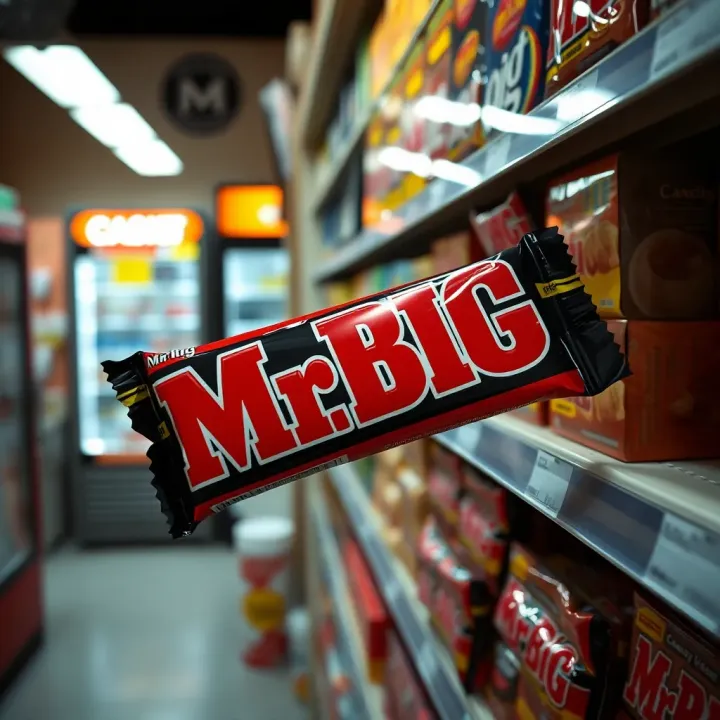
The Mr. Big candy bar typically comes in single bars weighing around 60 grams, making it an ideal snack size for sharing or saving for later. In some markets, larger or mini versions also exist, catering to those who might want a quick bite or a more substantial treat.
Packaging is designed to protect the bar’s layers while keeping it fresh. It features bold branding with a combination of blue, red, and white colours that stand out on Australian retail shelves. The wrapping is easy to open but robust enough to avoid damage during transport.
Moreover, Mr. Big bars often appear in multi-packs, which appeal to families or content creators looking to stock up for occasions or events. This variety in packaging sizes makes the product accessible and convenient, whether you’re grabbing one from the servo or planning a gaming session where you’ll be munching for hours.
The distinct layering of chocolate, caramel, peanuts, and wafer not only defines Mr. Big’s flavour profile but also plays a big role in how it’s enjoyed — giving snackers something both satisfying and a bit different every time.
In essence, the ingredients and packaging of Mr. Big work together to deliver a unique confectionery experience, explaining much of its appeal among diverse consumer groups. Whether you’re a casual gamer needing a quick sugar hit or a content creator looking for a crowd-pleasing snack to share, the bar’s composition and design tick a lot of boxes.
Understanding the consumer appeal and market presence of Mr. Big in Australia sheds light on why this chocolate bar holds a distinct spot among sweet treats down under. The bar's unique blend of flavours, size, and brand image contribute directly to its popularity, while wide availability across retailers ensures it's always within easy reach for consumers.
Mr. Big has carved out its niche mainly due to its generous size and combination of textures and flavours. The bar typically features layers of vanilla wafer, caramel, peanuts, and coconut covered in a thick layer of milk chocolate. This mix appeals to those who enjoy a bit of crunch alongside a rich, creamy taste. Compared to competitors, the Mr. Big bar offers a more substantial snack experience, which resonates with Australians looking for a filling yet indulgent treat.
The bar’s advertising also plays a role in its popularity. Campaigns often highlight the "big" size in a playful manner, tapping into both the humour and value-conscious mindset of Australian consumers. Plus, its association with local tastes and a sense of fun makes it more relatable.
You’ll find Mr. Big in most major supermarkets like Woolworths, Coles, and ALDI, as well as many convenience stores and petrol stations across the country. This extensive distribution helps maintain consistent sales as the bar is accessible for everyday purchases.
Moreover, the brand benefits from the backing of Cadbury, a well-known name in Australia with a strong retail network, ensuring stock is reliably supplied. Seasonal promotions and multipack options increase visibility, especially in festive periods or when people seek snack variety for gatherings.
For shoppers, the combination of easy availability and the bar’s value-for-money appeal keeps Mr. Big a staple choice in the confectionery aisle across Australia.
Collectively, these factors highlight why Mr. Big isn’t just a chocolate bar but an established player that understands its audience and keeps itself relevant in Australia's competitive snack market.
Marketing strategies and brand positioning have played a solid role in making Mr. Big a memorable name among Australians. The way a brand communicates with its audience and distinguishes itself from others can make a marked difference in sales and customer loyalty. For Mr. Big, marketing isn’t just about telling people what the product is; it’s about creating an image that sticks in the minds of consumers and nudges them to choose it over rival bars.
Mr. Big’s advertising approach has traditionally leaned on humour and boldness, aiming to catch attention with memorable slogans and visuals. Campaigns have often highlighted the size and indulgence factor—one recent example cheekily boasted, “Big taste, big fun, no questions asked.” This playfulness picks up on Australia’s relaxed, straightforward culture and appeals to consumers looking for a quick, satisfying treat.
Television ads have been prominent but complemented with strong in-store promotions and social media engagement. During the AFL season, Mr. Big has run targeted promotions partnering with teams, capitalising on the passion fans have to boost brand visibility. These campaigns are straightforward but effective in connecting with sporting communities—an important segment of their target market.
Moreover, digital campaigns have moved towards user participation; for instance, asking fans to share their “big moments” with Mr. Big bars on social platforms. This kind of engagement not only keeps the product relevant in everyday chat but also encourages organic promotion through word of mouth.
Mr. Big’s core audience tends to be young adults and casual snackers who seek a satisfying chocolate bar at a competitive price. The brand positions itself as a larger, more filling option compared to smaller, more premium-priced competitors. It’s the ideal grab-and-go snack for those short on time but wanting a decent hit of flavour and heft.
The competitive landscape for confectionery is crowded, right? Mr. Big’s strategy focuses hard on leveraging its size and flavour punch, while keeping prices accessible. This contrasts with premium bars like Lindt, which market small luxury experiences, or budget options offering value in quantity but less about indulgence.
The brand also keeps an eye on convenience stores and petrol stations as key points of sale, knowing their audience often buys impulsively while out and about. It’s a practical move that suits the fast-paced lifestyles of many Aussies.
Mr. Big’s marketing success comes down to clear messages, relatable campaigns, and a sharp focus on how and where customers want to buy.
By maintaining this balanced approach, Mr. Big not only stays relevant but continues to carve out a unique spot in an otherwise noisy market. For marketers and affiliates targeting casual snacking or impulse buys, understanding these tactics offers useful insights into appealing to modern Australian consumers effectively.
Understanding the health and nutritional details of the Mr. Big candy bar matters, especially for those who enjoy an occasional sweet treat but want to keep an eye on what they’re consuming. This section breaks down what’s in a typical bar, how big the portions are, and what that means for anyone mindful of their diet.
A standard Mr. Big bar weighs roughly 85 grams, making it one of the larger chocolate bars available in Australian shops. Its size means it packs a significant caloric punch — around 400 to 450 calories per bar, mostly from sugar and fats. To put that in perspective, it’s about the same energy as a light lunch for some.
The bar contains around 30 grams of sugar and 20 grams of fat, with saturated fat constituting nearly half of that. While the protein content is modest, about 5 grams, the carbs primarily come from added sugars rather than fibre-rich sources. These figures suggest that while Mr. Big offers a satisfying treat, it’s definitely more a snack to be enjoyed occasionally than daily.
If you’re watching your intake of sugars or saturated fat, the Mr. Big bar isn’t the easiest fit in a balanced diet, but it’s not off the cards if you’re sensible about portion size and frequency. Breaking the bar into smaller servings can help manage energy intake — say, splitting it into three or four between friends or over a couple of days.
People with dietary restrictions, including those managing diabetes or heart health, should be cautious. The high sugar and fat levels may not suit their needs. On the flip side, active individuals burning more calories daily might tuck into one now and then without much issue.
Keeping treats like Mr. Big in check is about balance — enjoy the flavour but don’t knock back the whole bar in one go if you’re health focused.
For those keen on alternatives, many manufacturers now offer smaller versions or bars with reduced sugar. These can be a better shout if you want to satisfy sweet cravings without derailing nutritional goals.
In short, knowing the nutritional makeup and portion sizing of the Mr. Big helps you make smarter choices. It’s a tasty option—not everyday fodder—but can slot into a varied diet with some thought and care.
Comparing Mr. Big to other well-known chocolate bars helps highlight why it stands out in a crowded market. For readers interested in market trends or product differentiation, understanding these differences is key. The comparison sheds light on the unique selling points of Mr. Big, showing how it appeals to certain tastes and preferences that other bars might miss.
Mr. Big is notably larger than your average chocolate bar, often weighing around 85 grams compared to others like Mars or Snickers, which usually sit around 50–60 grams. This size difference caters to those wanting a more substantial snack. Unlike many simpler bars, Mr. Big layers several textures—crispy wafers, chewy caramel, and an outer chocolate shell—that create a more complex mouthfeel. This combination isn't common in mainstream Australian bars, making Mr. Big a bit of a novelty.
Another feature setting Mr. Big apart is its taste profile. It leans towards a sweeter, caramel-rich flavour with noticeable vanilla undertones, unlike the nut-centric or nougat-heavy flavours of competitors. Its longer length and distinct packaging also give it shelf appeal, catching the eye in crowded shop displays. For instance, a consumer choosing between Cadbury Boost and Mr. Big might appreciate the latter's texture variation, while fans of more straightforward chocolate might stick with the former.
Consumers in Australia show a growing taste for variety in chocolate bars, often seeking not just taste but also texture and size that suit their snack habits. Mr. Big fits this niche by offering a sizeable treat that satisfies hunger and taste buds simultaneously. Market research indicates a trend towards larger share-size portions or multi-layered bars, suggesting Mr. Big’s product strategy aligns with current demand.
Health trends, however, have led some buyers towards smaller, lower-calorie options or bars with natural ingredients. This pushes Mr. Big towards a specific segment—those wanting indulgence over health. Its marketing has reflected this, targeting consumers who don't mind a treat as a reward after a hardworking day or a social catch-up.
Understanding these consumer shifts is vital for brands to stay competitive, and Mr. Big’s position fills a particular gap in Australia’s chocolate market.
As digital content creators and marketers in the gambling and gaming space understand well, knowing your audience and their preferences is key. Similarly, for Mr. Big, recognising what consumers look for in a chocolate bar—from size and flavour complexity to portion control—is essential for maintaining its market impact.
In summary, Mr. Big shines not by trying to be all things to all people but by owning its space: a bigger, richer chocolate experience. This strategic focus helps it maintain relevance and a loyal following against a backdrop of evolving tastes and health trends.
Discover why big candy bars 🍫 are winning hearts, their history, how they fit your snacking habits, plus the challenges in making these larger treats. 🍬

🛠️ Get started with Big Candy login in Australia! Follow clear steps, manage your account securely, fix issues fast, and enjoy local tips for smooth access.
🎰 Struggling with A Big Candy Casino login? Discover simple tips to manage your account, solve issues, stay secure, and enjoy responsible gaming down under. 🔐🇦🇺

Discover the origins and cultural impact of the big candy stick 🍭. Learn about its varieties, how it’s made, and tips for storage and enjoying this classic treat.
Based on 7 reviews