

Decorating with Big Candy Canes: Festive Tips & Ideas
🎄 Big candy canes add a festive twist to your decorations! Get tips on styles, materials, buying or crafting your own, and smart storage ideas for next year 🎅
Edited By
Henry Collins
Big candy canes aren’t just a Christmas decoration or a sweet treat you grab at the checkout. They carry a bit of history and bring a distinct festive vibe that’s hard to miss, especially when they come in giant sizes. Unlike the typical smaller candy cane you might casually munch while wrapping presents, these oversized versions offer a unique experience both to the eye and the palate.
Why bother with big candy canes? For one, their sheer size makes them a festive centrepiece—whether draped over a Christmas tree, stuck in a pot plant, or bundled as a gift. They’re practical too. Their length gives you a longer chewing time, which can be surprisingly satisfying during those cold evenings or post-dinner chats.

The flavour profile largely mirrors traditional candy canes—peppermint, spearmint, and sometimes berries or caramel twists—but the bigger size can make the flavour last longer and feel more immersive. Plus, they often come in striking colour blends and patterns, making them stand out on shelves and in hampers.
Manufacturing these big candy canes differs slightly from the regular ones. The candy mix needs to be heated and stretched for longer periods to ensure a consistent texture despite the extra bulk. This process means large candy canes often have a bit more chew and less fragility, reducing the chance of breaking in transit or storage.
If you’re thinking of using big candy canes in your marketing (especially around the holiday season), they make great props or giveaways that catch attention. Their size and bright stripes evoke a nostalgic feel that resonates with many.
In the next sections, we’ll break down more about where candy canes come from, the options in flavours, how to store them so they stay fresh, and some clever ways to enjoy these oversized delights beyond just eating them straight off the stick.
Understanding the basics here will help you appreciate why big candy canes hold a special spot not only in Christmas festivities but also as fun, tasty treats that stretch the simple candy cane concept to something a bit more memorable.
Understanding the history behind candy canes sets the stage for appreciating why these sweets, especially the big ones, hold such a special place during the holiday season. Beyond their tasty appeal, candy canes are steeped in traditions and stories that enrich their festive value.
Candy canes are believed to have originated in Europe during the 17th century. One popular legend says that sugar sticks were handed out to children in churches to discourage them from making noise during nativity plays. These sweet sticks gradually evolved into candy canes. Though early accounts are scattered and sometimes anecdotal, they highlight how confectionery served a practical role in keeping young worshippers engaged.
The distinctive cane shape is said to symbolize a shepherd’s crook, linking candy canes to the nativity story of shepherds watching over their flocks. The white colour traditionally signifies purity, while the red stripes came later, often interpreted as representing the blood of Christ. These symbolic elements gave candy canes meaning beyond their flavour and helped embed them in Christmas customs.
Big candy canes were introduced primarily to offer a novelty and visual impact during the holiday season. They serve as eye-catching decorations and festive gifts, making them popular choices for both personal enjoyment and commercial displays. Larger sizes also allow for longer-lasting treats, which can be quite practical if you want to savour a sweet over several days.
The bigger candy canes play a dual role in celebrations. On one hand, they act as festive décor that instantly lifts the holiday spirit due to their impressive size and traditional look. On the other, they're perfect for sharing or gifting, creating a communal aspect by encouraging people to break off pieces together. That tangible sharing experience strengthens their connection to the social nature of Christmas gatherings.
Big candy canes aren’t just oversized sweets; they link old stories and new traditions, enhancing the festive season with a blend of symbolism, flavour, and fun.
This historical background is crucial for anyone interested in the cultural significance of candy canes. It clarifies why their design and size matter, helping you choose and enjoy these classic treats with a deeper appreciation.
Big candy canes grab attention not just because they’re larger, but because size changes the whole experience of enjoying them. Compared to regular candy canes, these oversized treats offer a more substantial visual impact and a different way to share or gift during the festive season. Their scale influences handling, texture, and even flavour release, which makes understanding these differences useful for anyone interested in getting the most out of them.
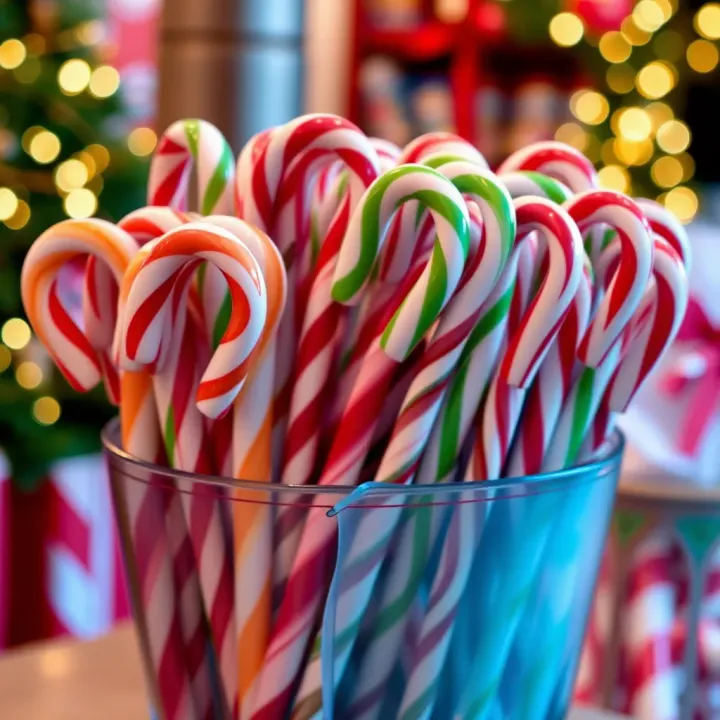
Regular candy canes typically measure around 12 to 15 centimetres in length and weigh roughly 10 to 15 grams. These dimensions make them easy to grasp, ideal for nibbling on the go, or hanging on smaller Christmas trees as decorations. Their manageable size means they snap quickly and dissolve steadily, which suits casual enjoyment or giving as little gifts.
Big candy canes, however, often exceed 30 centimetres and can weigh between 50 to 100 grams or more. For example, some confectioners produce candy canes stretching 45 centimetres, almost the length of a ruler, and considerably heavier than standard ones. This larger size turns the candy cane into a sharing piece or a showstopper decoration. On the downside, they need sturdier packaging and careful handling because they’re not as easy to carry around or tuck into a small stocking.
The crunchiness of candy canes relates directly to their thickness and density. In bigger candy canes, the hardness tends to be more pronounced because the candy cools and sets differently when formed in a large slab rather than a thin curved stick. You might find it takes a tad more effort to bite down, which can be a plus if you enjoy a firmer chew. For some, this means prolonging the experience, turning it more into a nibble than a quick treat.
Size also influences how flavour hits your palate. Smaller candy canes release flavour quickly as you suck or bite small pieces. Larger candy canes, with their greater mass, often hold onto the flavours longer, letting you enjoy subtle shifts as the peppermint or other tastes evolve in your mouth. This slower flavour release can be pretty rewarding if you’re keen to savour the candy over a longer period or share it around the table.
Bigger doesn’t just mean more candy. It changes how you interact with the sweet, from the crunch to the lasting flavour.
In short, big candy canes serve a different purpose from their smaller cousins. They’re not just scaled-up versions; their size redefines the texture, weight, and flavour experience, making them perfect for those looking to make a festive statement or enjoy a prolonged sweet moment.
Understanding how big candy canes are made sheds light on why these oversized treats tend to cost more and last longer than their smaller cousins. It’s not just about scaling up the recipe; the process involves careful adjustment to ingredients and the manufacturing steps to maintain that familiar crunch and flavour despite the size change.
The core ingredients for candy canes are fairly straightforward: sugar, water, corn syrup, and peppermint oil. These come together to form that signature hard candy. What’s key in big candy canes is the balance of these components, especially sugar and corn syrup, to ensure the candy sets properly without becoming too brittle or too soft once cooled.
When making larger candy canes, the batch sizes grow significantly, which means the cooking temperatures and cooling times need tweaking. For instance, a batch large enough to form a 40 cm cane has a different heat retention compared to smaller batches, requiring constant monitoring to avoid crystallisation. This adjustment is critical because the texture must stay consistent throughout — no one wants a big candy cane that’s soft in the middle and hard on the edges.
Forming the classic hook shape on a candy cane is an art in itself. For big candy canes, manufacturers typically use custom-designed forms or moulds to bend the hot candy safely without cracking it. The candy must be pliable but cool enough to hold the shape once bent. Skilled workers or machines carefully pull and twist the sugar mixture to create the candy’s characteristic stripes and curves.
Handling larger pieces introduces its own headaches. Due to their size, big candy canes are heavier and more fragile, raising the risk of breakage during cooling or packaging. Manufacturers often incorporate thicker, sturdier packaging and store the candy canes in stable temperature environments to prevent damage. For example, in places with high humidity, moisture can cause the candy to become sticky or lose its snap, so climate control is essential right up until the candy lands on shelves or in hands.
The production of big candy canes is a blend of scaled-up recipe precision and adapted manufacturing techniques to ensure these festive icons keep their texture, appearance, and flavour quality intact.
In summary, making big candy canes involves more than just pouring out bigger batches and bending them into shape. It demands precise ingredient ratios, tailored cooking practices, careful shaping, and gentle handling to deliver a product that’s both a festive decoration and a delicious treat.
When it comes to big candy canes, flavour variety is a game changer. It’s not just about peppermint anymore—these oversized treats bring a broader flavour palette that caters to different tastes and occasions. Whether you’re handing out candy canes at a poker night or using them as giveaways in digital content events around Christmas, knowing what flavour options are popular helps you choose the right one for your crowd.
Traditional peppermint remains the cornerstone of candy cane flavours. Its crisp, clean taste aligns perfectly with the festive mood, making it the go-to option for many. The cool peppermint flavour cuts through the sweetness, offering a balanced taste that's satisfying without being overwhelming—ideal for long gaming sessions where you want a refreshing treat that doesn’t leave a heavy sugar rush.
Classic peppermint candy canes also carry a nostalgic appeal. Many players and marketers alike associate this flavour with holiday traditions, reinforcing a warm, familiar vibe. This can be especially effective when used as a branded giveaway; it taps into the feel-good factor associated with Christmas, making your promotion more memorable.
The traditional red and white stripes aren't just for show. They signal peppermint within a handful of visual cues, making them instantly recognisable. This simple colour scheme helps candy canes stand out in festive decor or in gift hampers, where visual appeal matters.
Moreover, in marketing or affiliate events related to gambling and gaming, these colours resonate with the classic Christmas theme, helping to draw attention without needing elaborate packaging. The familiar stripes also make it easier for people to identify the treat, reducing uncertainty about flavour—an important consideration when handing out candy to a diverse crowd.
The expansion into fruit-infused and chocolate flavours reflects the evolving tastes of consumers, offering something fresh beyond the classic peppermint. Big candy canes with flavours like raspberry, cherry, or lemon provide a punchier, sweeter option, catering to those who prefer more adventurous tastes.
Chocolate-flavoured candy canes bring a rich twist that pairs well with warm drinks during the holidays, such as coffee or hot chocolate. This variety can also double as a unique prize or giveaway during festive gaming tournaments, enticing participants with something a bit different.
Limited edition and gourmet big candy canes raise the stakes for those looking for exclusivity. Flavours like spiced caramel, salted butter toffee, or even lavender-infused candy canes offer a more sophisticated experience, often crafted in small batches.
These styles suit boutique events or premium gift packs, where the quality and novelty of the flavour are selling points. Offering something gourmet shows attention to detail, which can be a standout move for casino marketers or digital creators wanting to impress their audience with more than just the basics.
Offering a mix of traditional and novel flavours in big candy canes allows you to cater to a wider audience, whether for marketing, gifting, or sharing at festive gatherings. Understanding what each flavour brings to the table helps in selecting the right sweet treat for your specific celebration or promotion.
Big candy canes are fun festive treats, but their size calls for a bit of thought when it comes to eating, sharing, and storage. Getting the most out of these oversized sweets means handling them with some care. This section covers practical tips to enjoy them safely and keep them fresh through the season.
Handling a large candy cane whole can be tricky because of its size and hardness. To enjoy it without risking a chipped tooth, it's best to break it down into smaller pieces. One way is to warm it slightly to soften the sugar — simply hold it near a gentle heat source, like a low-setting microwave for a few seconds or near a warm oven, but be cautious not to melt it. Then place the cane on a clean, hard surface and use a sturdy knife to carefully snap it into bite-sized chunks. This method cuts down on discomfort and makes sharing with mates easier.
Big candy canes aren't just for eating—they make excellent festive gifts or decorations. Their impressive size makes them stand out when handed out at casinos or gaming events during the holidays. Wrap them in clear cellophane with a ribbon for a quick, eye-catching present. They also serve well as tablecentrepieces or giveaways at poker tournaments or digital content launches. Whether gifted or displayed, their shared appeal adds festive cheer without much fuss.
To keep your big candy canes fresh, store them in a cool, dry spot away from direct sunlight and moisture. Wrapping them in airtight cellophane or sealing them in a plastic bag prevents humidity from softening the candy or causing sticky spots. For longer storage, keep them in a sealed container in the pantry or a cupboard that's not subjected to temperature swings—avoid storing near heaters or windowsills.
When stored correctly, big candy canes can easily last for several months, often through multiple holiday seasons. Their high sugar content acts as a preservative, but factors like humidity and exposure to air will gradually degrade texture and flavour. Keep an eye out for any dullness in colour or sticky surfaces as signs they might be past their prime. Using the proper packaging method helps maintain the crispness and sweetness that make candy canes so enjoyable.
Treat your big candy canes with a bit of care, and they’ll stay fresh and festive well beyond Christmas day. Breaking them down safely and storing them right means you can keep enjoying that peppermint hit well into the new year.
🎄 Big candy canes add a festive twist to your decorations! Get tips on styles, materials, buying or crafting your own, and smart storage ideas for next year 🎅

🍭 Discover big edible candy canes—how they're made, varieties, safety tips & creative uses for gifting, decorating, or snacking during the holidays and beyond!
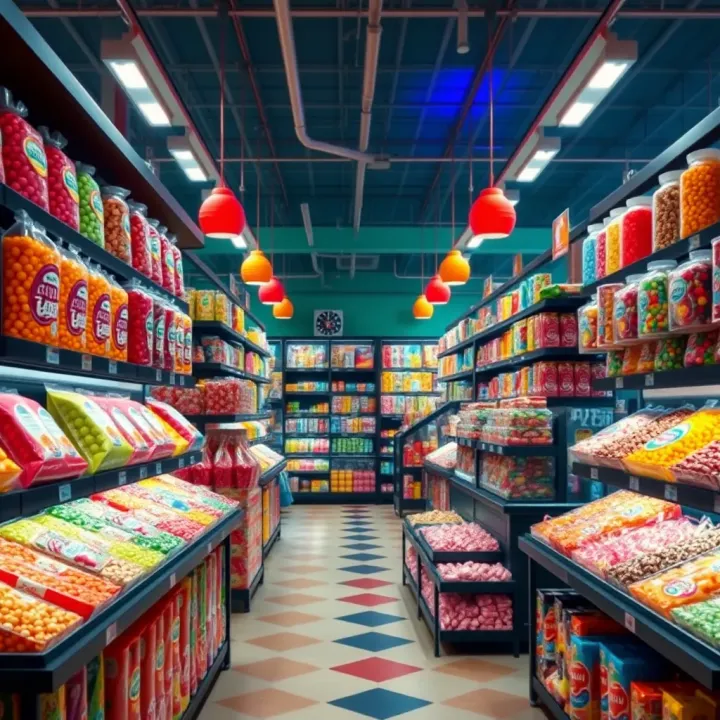
Discover the charm of a big candy store 🍬 with a wide range of treats, delightful sensory experiences, local favourites, and handy tips for visiting and buying.

Discover the big candy lollipop 🍭: its history, design, flavours, and why it's a hit with all ages. Plus, tips on buying, gifting, safety, and keeping them fresh.
Based on 7 reviews