
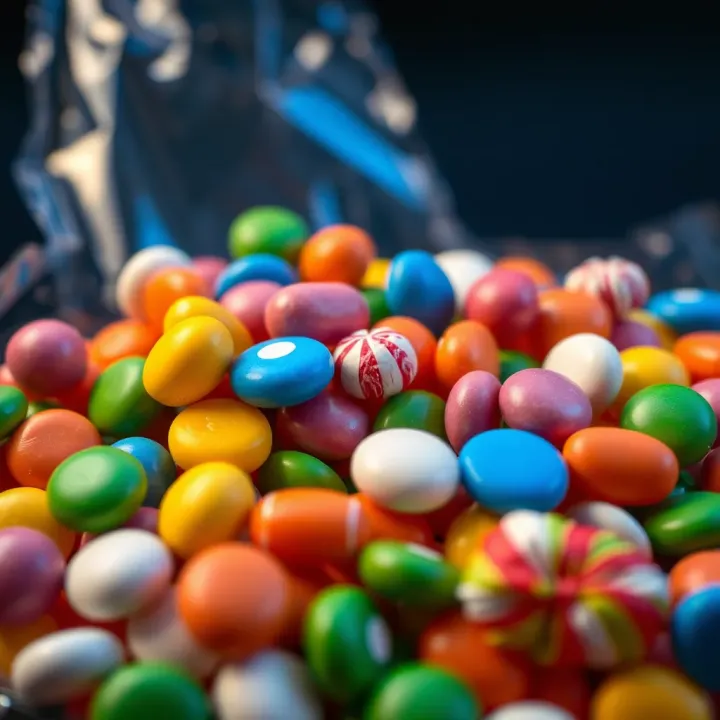
Big Candy Packs: What You Need to Know
Explore big candy packs 🍬 for variety and value in one go. Find tips on types, storage, where to buy and picking the right sweets for your next party or treat stash 🍫
Edited By
James Morgan
Big edible candy canes are more than just oversized sweets—they bring a dash of festive spirit combined with a fun treat that’s perfect for the holiday season and other special occasions. These giant versions of the classic candy cane stand out for their size and often come in a variety of flavours and colours, making them not only tasty but visually striking.
Unlike standard candy canes that measure around 12 to 15 centimetres, big edible candy canes stretch up to 30 centimetres or more. This makes them a popular choice for decorations, gifts, or simply indulging in a cheeky snack. The candy itself is usually made from a simple mix of sugar, corn syrup, water, and flavouring—often peppermint but sometimes other fruity or dessert flavours, catering to a wider range of tastes.

When shopping for big edible candy canes, keep an eye out for transparency about ingredients and production methods. This helps ensure you’re getting a quality product without unwanted additives.
They’re found pretty easily in specialty confectionery shops and supermarkets around Christmas, but some brands also offer them online year-round. A few bakeries and candy makers will even craft custom-sized, handcrafted editions, which can be a nice touch for client gifts or casino or gaming events looking for festive giveaways with a bit of flair.
That said, their large size means handling and storage require care—especially if used as decorations. Because they’re still sugar-based, humidity can cause them to get sticky or lose their shape over time, so dry, cool storage is best.
In the following sections, we’ll take a closer look at the varieties available, how these candy canes are made, safety tips, and some clever uses that go beyond just eating them. This guide aims to give you practical info whether you’re shopping for a holiday party or thinking about a unique promotional item for your gaming audience.
Big edible candy canes stand out not just as sweet treats but as festive symbols loaded with nostalgic charm. For marketers and digital content creators aiming to connect with audiences during the holiday season, understanding these oversized candy canes offers a way to tap into seasonal moods and unique product angles. Knowing their size, composition, and history helps when planning promotions, giveaways, or themed events related to Christmas or winter celebrations.
In comparison to standard candy canes, which usually measure about 12 to 15 centimetres in length, big edible candy canes often stretch beyond 30 centimetres. Some can even extend up to 60 centimetres, making them visually striking and ideal for festive displays or as novelty gifts. This difference isn’t just about size; it influences packaging, pricing, and how the product is marketed.
The materials used to make big candy canes typically mirror those of their smaller counterparts—primarily sugar, water, corn syrup, and natural or artificial flavourings. However, producing a larger candy cane demands adjustments in the ingredients’ proportions and cooking process to ensure the end product maintains the right texture and doesn’t become too brittle or sticky. For instance, a firmer consistency might be needed to prevent breakage during handling and transport.
Candy canes have a long history tracing back to 17th-century Europe, where white sugar sticks were bent into shepherd’s crooks, representing religious symbolism for Christmas. They became widely recognised as a holiday treat in the late 19th century when peppermint flavour was added and the iconic red stripes appeared. Their festive association has been strong ever since, often seen decorating Christmas trees or held at carols by candlelight.
Oversized candy canes gained traction as manufacturers and retailers sought to create eye-catching products that go beyond the usual sweet treat. Bigger versions serve multiple purposes — they act as centrepieces, nostalgic gifts, or attention-grabbers in stores and online campaigns. The novelty of these giant sweets has made them a hit in promotional materials for holiday events, especially when aiming to stand out in a crowded festive market.
For gambling affiliates or online content planners, leveraging the unique appeal of big candy canes can offer a fresh festive twist that resonates well with audiences looking for both tradition and fun during the holiday period.
Knowing how big edible candy canes are made helps you appreciate the craftsmanship behind these festive treats. Whether you're a casual gamer looking for a sweet party favour or a content creator planning holiday giveaways, understanding the ingredients and production gives you confidence in what you're enjoying or promoting.
The classic peppermint flavour is the most common in big candy canes. Typically, these use sugar, glucose syrup, water, peppermint oil, and natural colourings. Sugar forms the base, providing the crunch and sweetness, while glucose syrup helps keep the texture smooth and prevents crystallisation. Peppermint oil gives that refreshing coolness most associate with candy canes. For example, Aussie brands like Darrell Lea use natural peppermint oil to stay true to traditional taste.
But there's plenty of variety beyond peppermint. Big candy canes now come in fruit flavours like strawberry, raspberry, and even tropical blends. Chocolate-coated or swirled candy canes have also gained traction, appealing to those who want a richer taste. This variety means you can pick a flavour that suits your event or audience—think chocolate peppermint for a poker night prize or fruity versions for family-friendly giveaways.

Traditionally, candy canes were hand-made, a labour-intensive process where cooks heated sugar mixtures, pulled, twisted, and shaped them into those iconic canes. This method still exists, often in smaller artisan batches, but it’s slow and requires skill. The hand-made approach allows for slight variations in shape and colour that many find charming and authentic. For instance, some local sweet shops in Victoria still use hand-pulling early in the season, giving their candy unique appeal.
On the other hand, commercial production of bigger candy canes relies on machines designed to handle larger volumes and sizes. Industrial processes include heating sugar mixtures in large vats, mechanised pulling, shaping, and cooling. This lets manufacturers produce consistent sizes and colours while meeting demand, especially during the holiday peak. Machines also make it easier to introduce newer flavours and coatings uniformly. Brands like Swizzels or larger confectionery companies use this approach, ensuring wide availability across supermarkets and online retailers.
Understanding the making process gives you insight into quality and variety, which helps when selecting the right big candy cane for different settings—be it a festive decoration, a sweet snack, or a promotional giveaway.
Whether handmade or machine-made, the main goal is a candy cane that’s not only visually impressive but also delivers that classic crack and flavour people expect.
Knowing where to look for big edible candy canes can save you time and help you snag the best quality and price. Fans of oversized candy treats will want options that balance availability, freshness, and variety. Whether you’re after a classic peppermint giant or a more adventurous flavour, understanding where these sweets pop up is key.
Major supermarkets and confectionery chains in Australia almost always stock big edible candy canes during the lead-up to Christmas. Chains like Woolworths, Coles, and even some Big W stores tend to carry them as part of their seasonal confectionery range. You’ll find they offer reliable quality, usually peppermint flavour, in a convenient spot for holiday shoppers. Though the selection might not be vast, these stores provide a practical first stop if you’re after a straightforward festive treat without the fuss of special orders.
Some bigger confectionery chains such as Haigh’s Chocolates or Koko Black may also offer limited editions or their own twist on oversized candy canes. It’s worth keeping an eye on these for something a bit different.
Local sweet shops often have a knack for carrying unique or handcrafted oversized candy canes. These spots tend to source from boutique makers or sometimes craft their own versions, using higher quality ingredients or homemade flavours. Visiting a local sweet shop can mean finding candy canes with richer flavours or interesting twists — think salted caramel or coffee-infused varieties — not usually found in supermarkets. Plus, it supports small business, which is always a bonus.
If you’re after a specific size, flavour, or a larger quantity, online retailers and marketplaces widen the scope considerably. Australian-based online sweet shops and larger platforms like The Iconic or Etsy sellers often list different types of big candy canes year-round. Ordering online offers convenience and access to products from local artisans to larger confectionery factories elsewhere in the country.
However, shipping large edible items demands some care. Big candy canes are fragile and sensitive to heat and humidity, which can cause sticking or melting. When ordering, look for sellers who package with care—rigid boxes, padding, or insulated packaging make a big difference. Shipping costs are another consideration; bulky or heavy sweets may incur higher charges.
For best results, check the delivery timeframe to ensure your candy cane arrives fresh and in one piece, especially if it’s for a timed event like a party or gift.
By knowing where to buy and what to watch for when ordering online or visiting stores, you’ll have a smoother experience getting your hands on a big edible candy cane that’s both impressive and delicious.
Big edible candy canes aren’t just tasty treats; they offer plenty of creative uses that add festive cheer and practicality during the holiday season and special occasions. Using them beyond just eating allows you to maximise their value and extend the fun in ways that can fit your style—whether it's decorating your home, enhancing gift presentation, or jazzing up your seasonal recipes.
A big candy cane makes for an eye-catching centrepiece that brings a playful pop of colour to any festive table. Placing one or more upright candy canes in a clear jar or vase can create a simple yet striking focal point. For example, surround them with fairy lights or pine branches to amp up the Christmas vibe without much fuss. They’re sturdy enough to stand alone, giving you an instant festive upgrade without needing extra flair.
Mantels also benefit from the bright, candy-striped look. You can prop big candy canes along the edge, integrating them with stockings and tinsel. The sweet scent can subtly mix with pine or cinnamon aromas, adding to the sensory experience. Since big candy canes last a fair while if kept in their wrapping or a dry spot, you get lasting decorations that are both fun and functional.
Big candy canes add a twist to gift wrapping that’s both whimsical and charming. Instead of the usual ribbon alone, use a sturdy ribbon to tie a candy cane onto the gift box or bag. This not only decorates the parcel but also gives the recipient an immediate treat before unwrapping.
This approach works well with homemade gift hampers or kids’ presents. It adds a dose of festive personality, especially when paired with kraft paper or simple wrapping. Plus, it cuts down on separate gift tags, since you can attach a small card or note alongside the candy cane. Just make sure the candy cane’s packaging stays intact to avoid any sticky mishaps.
One of the best ways to use big candy canes is to crush them into coarse or fine pieces. These crushed bits make a crunchy, minty topping perfect for desserts like pavlova, pavlovas, or ice cream sundaes. Think of it like giving your traditional pavlova an extra punch of festive crunch and flavour.
Crushed candy canes also shine in drinks. Stirring them into hot chocolate or sprinkling over cappuccinos gives a peppermint twist that lifts the usual flavours. You can even rim glass edges with crushed candy cane for parties, mixing the whimsy of candy with your favourite cocktails or mocktails.
Peppermint and chocolate are a classic duo, especially during Christmas. Big candy canes broken into chunks or shaved delicately make an easy mix-in or garnish for chocolate desserts. Add them to chocolate brownies, ganache tarts, or even melting chocolate for a peppermint bark.
Seasonal flavours like ginger, cinnamon, or nutmeg also complement candy canes well. Combining crushed candy canes with a sprinkle of cinnamon in spiced cookies or festive muffins provides a layered flavour profile that’s both familiar and refreshing. You could also add pieces to white chocolate treats to balance sweetness with the candy cane’s cooling effect.
Using big edible candy canes beyond simply eating can add festive flair to your home, enhance gift-giving, and introduce fun twists in seasonal cooking. It’s a smart way to make the most of this traditional treat, turning it into a versatile part of the holiday experience.
Handling and storing big edible candy canes correctly ensures they stay fresh and enjoyable for longer periods. Given their size and sugary content, proper care helps prevent issues like stickiness, brittleness, or premature spoilage. For those gifting or using candy canes as decorations in gaming lounges, event spaces, or festive setups, understanding these basics is key to preserving their quality.
Keeping candy canes fresh and crisp largely depends on storing them away from moisture and heat. Typically, unopened big candy canes have a shelf life of six to twelve months. However, once exposed to air, the sugar can absorb moisture, turning them sticky or soft. Wrapping them tightly in plastic wrap or sealing in airtight containers slows down this process.
For example, if you use oversized candy canes as centrepieces at a casino launch event, wrapping leftovers and storing them in a cool, dry pantry can preserve their crunchiness. Avoid storing candy canes in the fridge as condensation could lead to a sticky mess on the surface.
Humidity and temperature vastly influence candy cane shelf life. High humidity causes sugar to absorb moisture from the air, leading to sticky textures and possible crystallisation. Conversely, extremely dry conditions may make the candy brittle, which could crack easily during handling.
Temperature swings also affect texture. Candy canes kept in warm places may soften or even start to melt slightly, while cold environments risk condensation when brought back to room temperature. A stable room temperature environment, ideally under 25°C with low humidity, strikes the right balance for storage.
Common allergens in candy cane ingredients include traces of nuts, milk, and soy, especially in flavoured or chocolate-coated variants. Though standard peppermint candy canes mainly contain sugar, glucose syrup, and flavouring, manufacturing lines might process other allergens. Always check packaging labels closely if you're serving to people with allergies.
For casual gamers planning to share giant candy canes during meet-ups or streaming events, being upfront about ingredients helps prevent allergic reactions. Importantly, those with severe allergies should avoid candy canes unless confirmed safe by the manufacturer.
Regarding choking risks, the size and hardness of big edible candy canes pose concerns for young children. Due to their brittle nature, pieces can break off sharp or small enough to be a choking hazard. It’s best to supervise children while eating or offer smaller, softer sweets instead.
For most adults and older kids, candy canes are safe when enjoyed responsibly. Still, keep in mind age suitability and encourage slow, careful eating during gaming sessions or social gatherings.
Proper storage and safety awareness let you enjoy big edible candy canes worry-free, whether in a casino setting or a casual home game night. Mind the moisture, temperature, and allergy info to keep these festive treats at their best.
Explore big candy packs 🍬 for variety and value in one go. Find tips on types, storage, where to buy and picking the right sweets for your next party or treat stash 🍫

Discover how big candy floss machines work 🍭, explore types, uses, maintenance tips, and safety advice to pick and care for your perfect candy fluff setup 🎉.

🛠️ Get started with Big Candy login in Australia! Follow clear steps, manage your account securely, fix issues fast, and enjoy local tips for smooth access.
Discover how to find and use big candy bonus codes 🍭 smartly, learn different types, effective tips, risks, and stay responsible with sweet deals!
Based on 11 reviews