
Big Candy Bars: Why They’re So Popular
Discover why big candy bars 🍫 are winning hearts, their history, how they fit your snacking habits, plus the challenges in making these larger treats. 🍬
Edited By
Liam Foster
Big spinning candies aren't just eye-catchers; they're a clever mix of design and physics that grab attention at events or promotions. When you see one twisting away, it’s not just for show — there’s careful engineering behind that smooth spin and vibrant look.
At its core, the mechanics of a large spinning candy boil down to rotation and balance. A well-balanced structure minimises wobble, ensuring the candy spins evenly without tilting. Imagine a giant lollipop mounted on a sturdy axle, with its weight perfectly distributed so it keeps turning steadily. This involves selecting materials that are light, yet strong enough to support the shape and keep it stable.
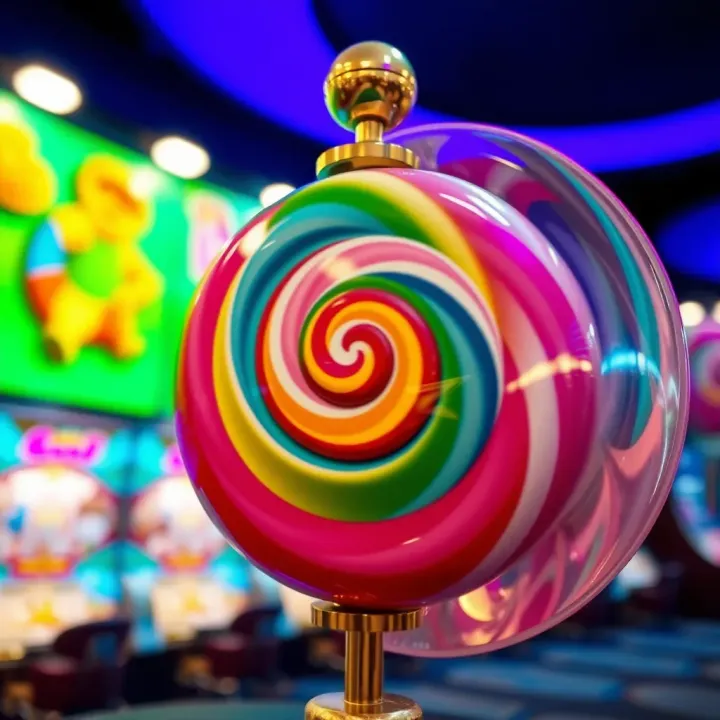
The visual appeal plays a hefty part too. Swirling colours and patterns create a hypnotic effect, enhancing the attraction. The choice of glossy finishes or even reflective surfaces adds extra dazzle under event lights. For instance, a candy spinning under spotlights at a casino opening or a gaming festival can draw crowds and build hype. It’s this mix of engineering precision and showmanship that makes big spinning candies stand out.
A spinning candy combines solid mechanics with bold design, making it both an engineering feat and an entertainment piece.
For digital content creators or casino marketers, incorporating such an object into events or streams offers a novelty that’s easy to engage with. It provides a physical, interactive element that complements digital campaigns. Plus, understanding the mechanics helps tailor experiences – like adjusting spin speeds or integrating lighting effects for the best impact.
Keep in mind, safety and durability cannot be overlooked. Ensuring the spinning setup can withstand crowds and weather if outdoors is vital. Selecting materials that avoid sharp edges and are easy to clean also contributes to a better user experience.
In summary, a big spinning candy is more than a novelty. It’s a practical example of physics and design working hand-in-hand to deliver visual excitement, making it a versatile asset in marketing and event settings.
Grasping the mechanics behind spinning candies is key to making these large confectionery pieces not just eye-catching but also functional and safe. Whether you're designing a giant lollipop for an event or creating an interactive piece for a marketing campaign, understanding the forces in play helps avoid costly mistakes and ensures a smooth, captivating spin.
The spin of a large candy mainly depends on the torque applied to it, which is the force that causes rotation around an axis. This force can come from a motor, a hand crank, or even the initial push given by an observer. For example, in a festival setting, a well-calibrated electric motor provides steady torque, maintaining a consistent spin speed that draws attention without risking excessive wear on the structure.
Size and weight play a huge role in rotational motion. Larger candies have more mass, which increases the moment of inertia—the resistance to change in rotational speed. This means bigger candies require more torque to get spinning and more energy to keep them going. Take a candy spinner that's two metres wide; it needs a stronger motor and sturdier support than a 30-centimetre one. On the other hand, if it’s too light, it might spin uncontrollably or wobble, so there's a balancing act to find the right mass and size.
Even distribution of mass is critical. Imbalanced weight causes wobbling, which not only looks awkward but can damage the mechanism or cause safety hazards. Designers often place heavier components closer to the centre and use counterweights to balance out any unevenness. Imagine a giant candy where uneven syrup layers were poured; it would likely tilt or jerk while spinning. Ensuring stability keeps the spin steady and the candy looking pristine.
Large spinning candies often combine edible elements with non-edible parts that support movement. For example, a giant lollipop might have a sugar-based, colourful top attached to a metal spindle. Using edible materials like hard sugar or gelatinous substances adds appeal, but these must be paired with durable frameworks made of plastic or metal to allow for the mechanical demands of spinning. This mix also helps meet hygiene and safety standards, important when the piece is displayed publicly.
Materials chosen must withstand not only the forces from spinning but also environmental factors like heat or moisture. For instance, sugar can become sticky on hot days, risking deformation. Using tempered glass or acrylic covers protects the edible surface, maintaining the candy’s shape and appearance while letting the spinning highlight shine through. Strong internal frames prevent bending or breaking, essential for events lasting days.
Smooth rotation demands careful control of how weight is spread across the candy. Uneven distribution leads to jerky motion or premature wear on bearings. Designers might incorporate weighted rings or internal balances to manage this. For example, a giant candy spinning display at a gaming expo could feature weighted bases hidden beneath the visual layers to maintain smooth, even rotation that mesmerises passers-by.
Understanding these mechanical and material factors helps bring large spinning candies from concept to reality, ensuring they function well, look great, and stay safe during use.
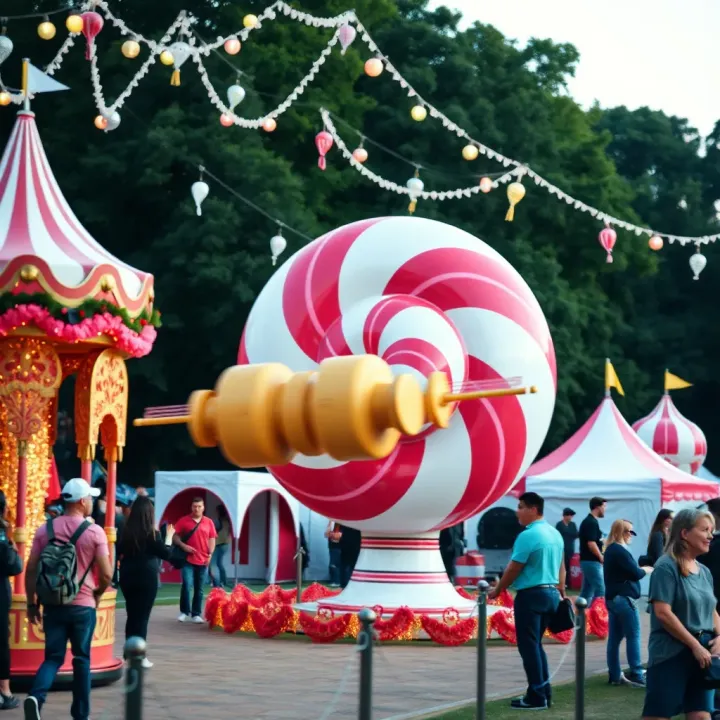
The design and visual appeal of a large spinning candy are central to its charm and effectiveness, especially when used in marketing or events. These candies aren't just about taste—they're visual spectacles that attract attention and create memorable experiences. The right design can make the candy more engaging, emphasise its motion, and influence how people perceive it.
Stripes and swirls amplify the spinning effect by tricking the eye into seeing continuous movement. When a big candy spins, patterns with contrasting colours—like alternating red and white stripes—can create optical illusions that make the spin appear faster or more dynamic. For example, a classic spiral pattern can give the impression of depth and draw viewers in, making the candy not only enticing but also visually captivating in a straightforward way.
Lighting plays a significant role in how these candies look in motion. Bright, even lighting enhances colour vibrancy and highlights the glossiness of the candy surface, making the patterns pop during rotation. Flickering or coloured lights can add mood and create additional excitement, perfect for nighttime events or indoor displays. However, uneven or harsh lighting might create unwanted shadows that dull the effect. So, planners need to balance illumination to maintain the candy's eye-catching appeal.
Colour affects mood and appetite, which is why the palette of a spinning candy matters. Warm colours like red and orange can stimulate hunger and grab attention quickly, making them common choices. Cool colours such as blue and green, while less typical for sweets, can evoke freshness or novelty, which might suit innovative candy designs. Also, using familiar candy colours helps tap into nostalgia, enhancing emotional attraction, especially at community events or festivals.
While circular lollipops with defined swirls remain popular for spinning candies due to their symmetrical spin dynamics, exploring other shapes like starbursts or heart outlines can freshen up their appeal. Unusual shapes require extra care for balance during rotation but can stand out at promotional events or party settings. That said, traditional round forms usually spin more smoothly and consistently, making them a safer bet for practical use.
Bigger isn’t always better. Large spinning candies need to strike a balance between impressive size and manageability. Oversized versions can be tricky to transport, set up, and operate safely. For example, a spinning candy more than 1.5 metres in diameter might require special rigging and storage considerations. Most successful designs cap around this size to stay practical for events and avoid logistical headaches.
Custom designs tailored to specific events enhance engagement. Incorporating event colours, logos, or relevant themes transforms the spinning candy into a unique marketing tool. For instance, a spinning candy created for a charity gala might use the cause’s colours and slogans, increasing recognition and support. Such customisation also offers photo opportunities, sparking social media shares that extend the event's reach.
Visual appeal isn’t just about look—it’s about creating an experience that hooks the eye, stirs emotions, and leaves a lasting impression.
By carefully choosing patterns, colours, shapes, and sizes, creators of big spinning candies can make sure their product does more than just spin—it captivates.
Large spinning candies often carry rich symbolism tied to joy and nostalgia, making them a fitting fixture in festivals. Historically, such oversized sweets evoke childhood memories while representing abundance and sweetness in life. This symbolic value enhances the festive atmosphere, helping people connect emotionally with the event.
In Australia, these spinning candies feature prominently during local fairs and events like the Sydney Royal Easter Show. Here, their presence isn't just decorative; they become landmarks that lure families and kids, increasing foot traffic. The size and motion of the candy make it a natural conversation starter and photo opportunity, giving the event a playful vibe.
To engage visitors, organisers sometimes turn these big spinning candies into interactive exhibits. Attendees might get to spin the candy themselves or watch projections of colourful patterns cast by the candy’s motion. This hands-on experience encourages longer visitor stays and shares well on social media, reinforcing the event’s profile.
Big spinning candies are a clever way to draw public attention in crowded spaces. Their sheer size and constant movement make them hard to ignore, perfect for busy shopping centres or outdoor campaigns where standing out is key. For instance, a casino in Melbourne once used a giant spinning candy on its entrance to catch casual gamers’ eyes and entice them inside.
There’s also a clear branding advantage. Custom colours, logos, or catchphrases can adorn the spinning candy, turning it into a memorable marketing asset. For casino marketers, this can mean weaving in brand colours or themes, making the candy a symbol of their entertainment style.
The visual novelty of a large spinning candy keeps people engaged longer. It’s a fresh alternative to static billboards, shaking up what most folks expect in advertising. This dynamism creates a more inviting atmosphere, encouraging interaction and even user-generated content, such as photos or videos shared online.
Using a big spinning candy in promotional campaigns blends fun with function — it draws crowds while reinforcing brand identity effortlessly.
Overall, big spinning candies hold a significant place culturally and socially, bridging fun traditions with smart marketing in Australia’s events and entertainment sectors.
When dealing with a sizeable spinning candy, safety and environmental impact can't be afterthoughts. The mechanics involved mean careful planning is necessary to prevent injuries and ensure the product fits within today's sustainability expectations. Additionally, practical considerations like hygiene and waste management are essential for maintaining a good reputation and complying with regulations.
A big spinning candy isn't just a treat; it's a moving structure that must be stable to prevent accidents. This involves using strong materials that hold up under continuous motion and weight. For example, a metal frame inside the candy can improve rigidity without adding too much weight. The base should be wide enough to prevent tipping, especially in outdoor settings exposed to wind.
Regular inspections are vital to catch any wear or loose parts early. In Australia, standards for temporary structures at events are stringent and must be met to reduce risk of collapse or failures that could harm users or bystanders.
Mixing structural components with edible parts requires strict hygiene controls. Large spinning candies often use a protective clear coating or wrap to shield the edible surfaces from dust and touching. This barrier also prevents contamination from the frame or mechanical parts.
During events, it's wise to keep the candy covered or in controlled environments to avoid insects or airborne dirt spoiling the product. Staff should use gloves and follow food safety protocols when assembling or servicing these installations.
Moving components pose a pinch or crush hazard. Guards or enclosures around shafts and bearings are a must to stop fingers or clothing from getting caught. Signage and barriers also help keep curious onlookers a safe distance away.
Event organisers must supervise areas with spinning candies and brief operators in emergency stops and safe handling. In some cases, installing sensors to stop the spin if someone reaches too close can add an extra safety layer.
Choosing materials that minimise environmental impact helps create a more sustainable product. For instance, using recycled plastics for protective casings reduces landfill waste. Timber from certified sustainable sources can be the frame if properly treated to resist weather.
Avoiding single-use plastics and favouring biodegradable wraps or coatings contributes to greener outcomes. Suppliers in Australia like Biopak offer compostable packaging options that could double as protective layers for edible parts.
Manufacturing custom large candies and their accessories often produces excess offcuts or failed batches. Planning cuts efficiently and reusing scraps, where safe, can reduce waste significantly.
Smaller batch production or modular designs allow parts to be replaced or repaired instead of scrapping entire units. This practises saves resources and lowers costs.
End-of-life disposal shouldn't be overlooked. Components should be easy to dismantle and sort for recycling or composting. For example, metal frames are straightforward to recycle at scrap yards, while biodegradable coatings break down naturally.
Organising take-back programs after events ensures leftover candies or parts don't clog landfill. Partnering with local councils or recycling centres familiar with event waste can smooth this process.
Prioritising safety and sustainability in designing a big spinning candy helps make it an enjoyable feature that respects both people and the planet. Proper planning and materials choices go a long way towards this goal.
Discover why big candy bars 🍫 are winning hearts, their history, how they fit your snacking habits, plus the challenges in making these larger treats. 🍬
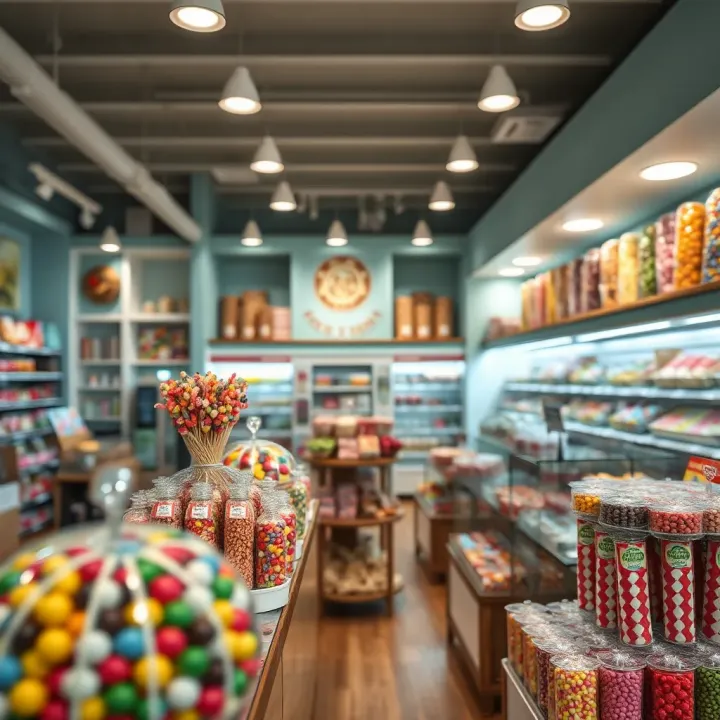
🍬 Dive into big candy stores' charm, wide treats, and local vibe. Tips for a top visit plus standout Aussie and global spots worth checking out!
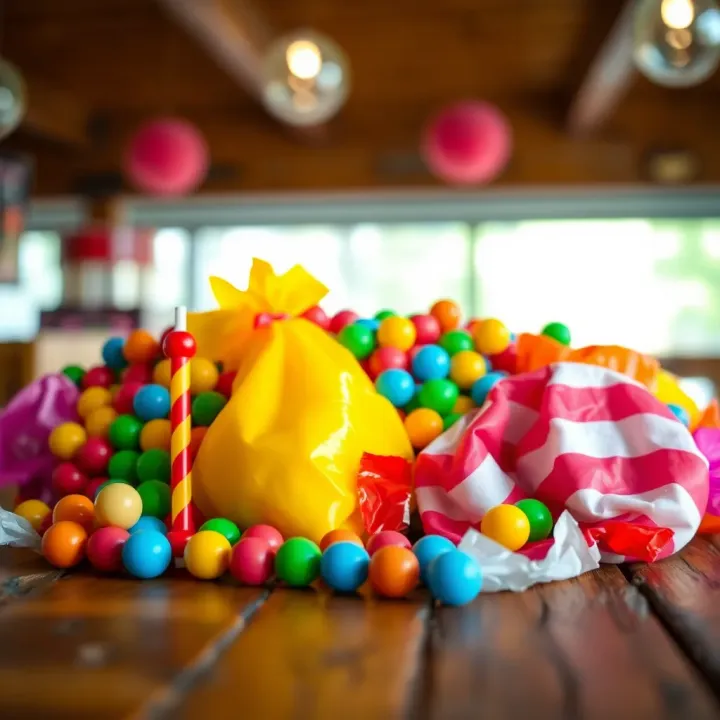
Discover the fascinating history and variety of large-sized candy 🍭. Explore its making, cultural impact, and effects on health and the environment.
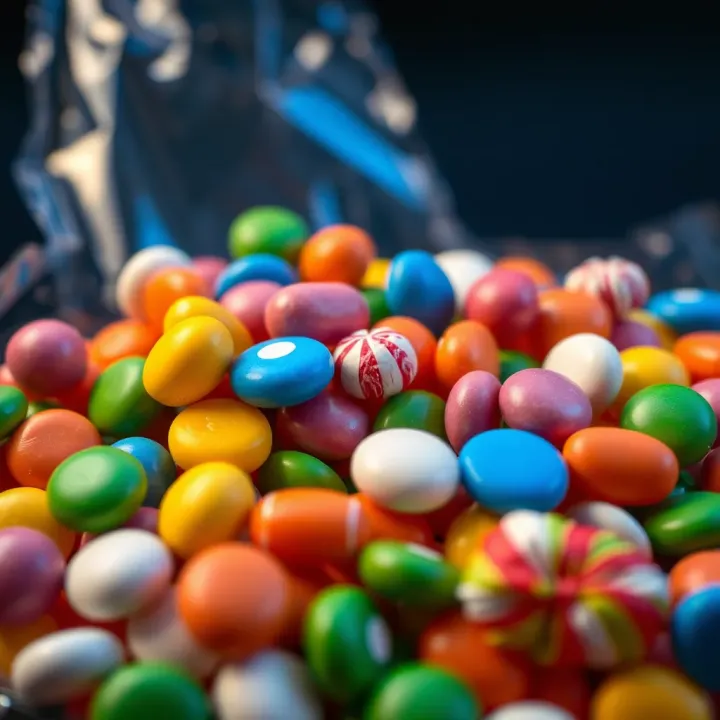
Explore big candy packs 🍬 for variety and value in one go. Find tips on types, storage, where to buy and picking the right sweets for your next party or treat stash 🍫
Based on 10 reviews