

Exploring Big Candy Stores: A Sweet Experience
🍬 Dive into big candy stores' charm, wide treats, and local vibe. Tips for a top visit plus standout Aussie and global spots worth checking out!
Edited By
Oliver Hughes
If you’re keen on growing a large candy blossom garden, you're in for a treat. This pretty plant can pack a punch when it comes to adding bright splashes of colour to any outdoor space. But getting a garden this size off the ground takes more than just popping in a few seedlings and hoping for the best.
First up, choosing the right spot matters. Candy blossoms thrive when they get plenty of sunlight — a minimum of six hours a day is ideal. Think about a spot in your backyard that doesn’t get overshadowed by buildings or tall trees. Also, good airflow helps reduce the risk of fungal problems, which these plants aren’t a fan of.
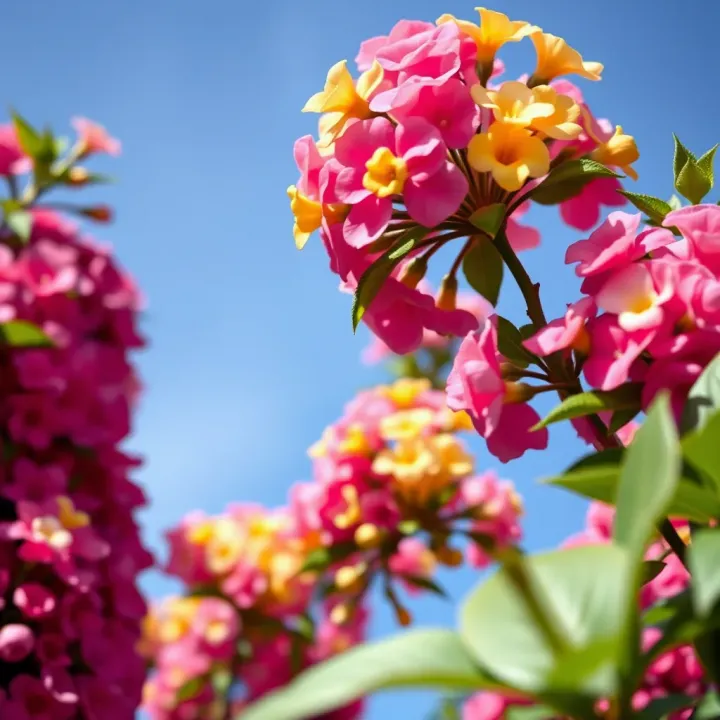
Soil preparation plays a big role too. Candy blossoms prefer well-drained, moderately fertile soil. If your soil is heavy clay or sandy, you’ll want to mix in organic matter like compost or well-rotted manure to improve texture and nutrients. This’ll help retain moisture without waterlogging the roots, which can cause rot.
When it comes to planting, spacing is key if you want a large, healthy display. Placing plants about 30 to 45 cm apart encourages airflow and gives each blossom room to shine without fighting for nutrients. Starting with young plants rather than seeds can speed up your garden’s glow-up.
Care routines include regular watering, especially during dry spells, but be careful not to drench the soil. Mulching around the base keeps moisture steady and weeds at bay. As your candy blossoms grow, pinch off spent flowers to nudge the plants into producing more blooms.
Remember, while candy blossoms can brighten up your garden pretty well on their own, keeping an eye out for common pests like aphids and scale, and dealing with any fungal issues early, can save you a heap of hassle later.
By ticking off these basics — picking a sunny, airy site; preparing soil properly; planting with enough space; and committing to regular care — you’re well on your way to a large candy blossom garden that truly dazzles.
Selecting the right spot for your candy blossom garden lays the foundation for a thriving display of colourful blooms. Location affects everything from plant health to growth rate — so it’s worth putting in the effort to get it right upfront.
Candy blossoms generally crave plenty of sunlight — look for a spot that receives at least six hours of direct sun daily. Too much shade can lead to weak stems and fewer flowers. For example, planting near a north-facing fence in Sydney gives good sunlight exposure without scorching afternoon heat.
Climate plays a role, too. These plants prefer moderate temperatures and well-drained conditions. If you’re in a cooler part of Victoria, choosing a location sheltered from harsh winds helps protect delicate blossoms during chillier months.
Candy blossoms thrive best in soil that’s rich but drains well. Heavy clay can hold too much water, risking root rot, while sandy soil might dry out quickly, stressing the plants. To test your soil, dig a hole about 30cm deep and fill it with water — if water sogs overnight, drainage is poor.
In such cases, raised garden beds filled with a mix of garden soil, compost, and coarse sand can create a perfect home for your blossoms. Good drainage ensures roots get air and nutrients, which helps the plants reach their full potential.
Don't cram your candy blossoms. Give each plant enough room to grow broadly without competition. Generally, space plants 40-60cm apart, depending on the variety. This spacing aids airflow, reducing disease risk and encouraging larger blossoms.
Plan garden beds to allow easy access for watering, feeding, and harvesting fallen petals if desired. Also, consider contouring beds or creating gentle slopes to help with drainage. A well-thought layout can boost both plant health and your enjoyment of the garden.
Choosing the right location isn't just about aesthetics — it’s the practical first step that supports vigorous growth, vibrant blooms, and a garden that lasts season after season.
Getting these basics right sets you up for success with your candy blossom garden. The right spot can make all the difference between struggling plants and a flourishing sea of colour.
Preparing your garden bed sets the foundation for healthy candy blossoms and will make a massive difference in how well your garden grows. Neglecting this step can lead to patchy growth or plants that struggle through the season. By clearing and tilling the soil, and improving its fertility and structure, you give your candy blossoms the best possible start.
Start by removing any existing weeds, roots, or debris from the garden bed. Weeds compete for nutrients and water, which can stunt the candy blossoms' development. Once cleared, till the soil to break up compacted areas. This improves aeration and drainage, allowing roots to penetrate easily. For example, using a garden fork or rotary tiller to loosen the soil to about 20 centimetres deep creates a bed where roots can spread freely, promoting vigorous growth.
A poorly prepared garden bed often results in water pooling or roots becoming waterlogged, which candy blossoms hate. Tilling also helps mix in organic matter evenly, so nutrients are readily available.
Incorporating compost is one of the simplest ways to boost soil fertility. Organic matter from compost improves nutrient content and encourages beneficial soil microbes. For instance, adding a 5cm layer of well-rotted compost before tilling can increase soil vitality and create a crumbly texture suited for candy blossoms. This organic kick-starts growth and buffers the soil against nutrient deficiencies during the growing season.
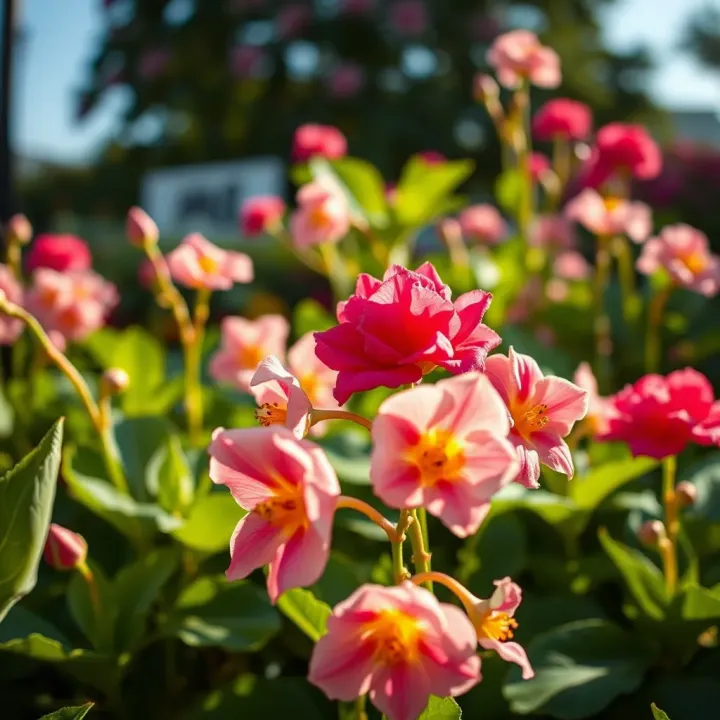
Candy blossoms prefer a slightly acidic to neutral soil, around pH 6.0 to 7.0. Testing the soil's pH is easy with home kits or garden centres. If soil is too acidic, spreading agricultural lime helps raise the pH. On the flip side, adding elemental sulphur can lower alkaline soils. Balancing pH ensures nutrient uptake is efficient. For example, manganese and iron become more available at the right pH, which supports healthy leaf and blossom development.
Applying mulch after planting keeps soil moist and cool, reducing water stress on young plants. Organic mulches like straw or wood chips slowly break down, feeding the soil further while suppressing weeds. A 7-10cm layer around the base of candy blossoms can cut water evaporation by up to 50%. This saves you time on watering and maintains consistent soil conditions that candy blossoms thrive in.
Preparing your garden bed properly isn't just about aesthetics—it's about giving your candy blossoms a real shot at thriving by creating an ideal environment for roots and growth.
Taking these practical steps gives you a solid, fertile base where candy blossoms can put down roots and flourish, setting your garden up for a colourful, abundant season ahead.
Getting the planting right is a make-or-break step for growing a large candy blossom garden. Careful selection of seedlings or seeds, correct planting technique, and immediate watering give your plants the best shot at healthy growth and prolific blooms. For gardeners targeting a vibrant, expansive display, this phase demands attention to detail.
Start by choosing robust seedlings or premium seeds. Quality plants resist disease better and establish quicker. When buying seedlings, look for firm stems without any yellow or brown spots and well-formed roots visible at the pot's base. For seeds, pick fresh packets from trusted nurseries. Old or poorly stored seeds tend to have low germination rates, which wastes time and effort.
Using locally sourced seedlings can also give your garden an edge since those plants are already adapted to your climate. For instance, nurseries specialising in native or local varieties of candy blossom will often carry plants suited to Australian weather.
Planting depth is key to establishing sturdy candy blossom plants. Generally, set seedlings at the same soil level as they were in their pots. Burying stems too deep risks rot, while planting too shallow exposes roots to drying out. For seeds, sow them just beneath the soil surface — about 1 to 2 centimetres — to balance moisture and oxygen access.
A useful rule of thumb is to gently firm the soil around the root ball to eliminate air pockets, but don’t compact it too much, as that can hinder root growth.
Space plants generously to avoid overcrowding which can stunt growth and increase disease risk. For candy blossoms aiming for a large, lush garden, leave at least 50 centimetres between plants. This allows enough room for each to spread its branches and absorb sunlight efficiently.
Crowded plants often struggle with airflow, creating a breeding ground for fungal problems. Moreover, ample spacing encourages stronger root systems, crucial for sustaining expansive blooms.
Give your new candy blossoms a good soak straight after planting to settle the soil and help roots make contact with moisture. Use a gentle watering can or hose setting to avoid washing away the soil. Keep watering consistent over the first few weeks, moistening the soil but avoiding waterlogging.
Proper planting and immediate watering support root development, crucial for your candy blossoms to flourish and fill out the garden.
Following these steps sets the stage for a thriving candy blossom garden that looks full and colourful, year after year.
Making sure your candy blossoms thrive beyond planting means putting in ongoing care. Without regular watering, feeding and pruning, even the best garden can struggle to grow large and lush. This section focuses on practical steps to keep your garden healthy and encourage vigorous growth.
Candy blossoms like consistent moisture but hate soggy soil. You’ll want to water deeply but not too often—around two to three times a week during warmer months, depending on rainfall. Early morning watering is best; it gives plants time to absorb water before the heat kicks in. Avoid watering late in the day to reduce fungal risks.
Using a drip system or soaker hoses can save water and ensure roots get moisture where they need it most. For example, a drip line laid along each row delivers water slowly and keeps leaves dry, which helps prevent disease.
Candy blossoms respond well to a balanced fertiliser rich in phosphorus, which supports healthy root growth and vibrant blooms. A fertiliser with NPK ratios like 10-20-10 works well. Organic options like blood and bone, or fish emulsion, provide nutrients slowly and improve soil health over time.
Applying fertiliser meant for flowering plants encourages a good spread of candy blossoms. Avoid too much nitrogen as it stimulates leaf growth over flowers, which won't help the garden fill out most attractively.
Feed your candy blossoms just as new growth begins in spring and again mid-season to give them a boost. For best results, sprinkle fertiliser evenly around the base, keeping it a few centimetres away from stems to prevent burning.
Lightly water after fertilising to wash nutrients into the soil. Slow-release granules offer a tidy option for steady feeding without frequent fuss.
Regularly trimming any dead, diseased or damaged branches keeps plants healthy and prevents problems from spreading. Cut back to healthy tissue using clean, sharp secateurs.
Removing these parts also improves airflow and light penetration, which helps candy blossoms flourish. For instance, snipping out spent flower heads encourages the plant to produce fresh blooms instead of putting energy into seed.
Shaping your candy blossom bushes lets light through and expands the canopy to produce more flowers. Trim outer branches selectively, aiming for an even, open shape rather than a dense block.
Training stems to fan out rather than cluster helps the garden fill a larger area with blossoms. For example, you might gently tie young stems to stakes or use garden wire to guide their growth direction.
Good care doesn’t stop after planting. Ongoing watering, feeding and pruning help your candy blossoms develop into a large, impressive display that stands out in any garden.
Keeping a large candy blossom garden thriving means keeping a close eye on pests and diseases that can quickly take a toll. Knowing how to spot problems early and manage them effectively makes sure your blossoms stay healthy and vibrant, saving you time and unnecessary stress.
Insect Pests can be a real headache. Aphids, for instance, are common sap-suckers that cluster on new growth, leaving behind sticky honeydew that attracts ants and encourages fungal growth. Another culprit is the caterpillar, which munches through leaves and buds, stunting growth. If you notice leaves with holes or sticky residues, check closely for these pests. Early identification helps with fast intervention before they spiral out of control.
Fungal Diseases also pose a regular threat. Powdery mildew is one to watch for — it appears as a fine white powder on leaves and stems, weakening the plant over time. Root rot, caused by overly wet soil, leads to wilting and yellowing leaves despite adequate watering. These diseases spread quickly in damp conditions, so good air circulation and careful watering practices are key barriers.
When it comes to Natural Remedies and Organic Options, neem oil sprays are your best mate. They disrupt pest life cycles without harming beneficial insects like bees. Introducing ladybirds into the garden naturally cuts down aphid numbers too. For fungal issues, a homemade mixture of baking soda and water sprayed on affected leaves can reduce mildew without harsh chemicals.
Knowing When to Use Chemical Treatments is important. If infestations or diseases surge beyond control with organic methods, targeted insecticides or fungicides might be needed. Always pick products suitable for edible or ornamental gardens to avoid residue problems. Apply them carefully and sparingly, and follow label instructions closely to prevent resistance or damage to your plants.
Staying vigilant and responding quickly to pests and diseases can save your candy blossom garden from serious damage. Regular checks and a mix of natural and, if needed, chemical controls keep your garden flourishing with bright, healthy blooms.
Maintaining a large candy blossom garden goes beyond planting and watching it grow. The ongoing effort you put into keeping weeds at bay, preparing for seasonal changes, and enhancing aesthetic appeal can make a big difference. These tips help your garden stay healthy and impressive all year round.
Weeds can quickly steal nutrients and water from your candy blossoms, stunting their growth. Regularly removing weeds by hand or using a hoe before they flower is the best approach. Avoid herbicides close to your plants to prevent damage. Using a thick layer of organic mulch not only suppresses weed growth but also keeps soil moist and feeds plants as it breaks down. For example, spreading wood chips or sugar cane mulch around your plants can reduce weeding chores significantly. Keeping an eye out and acting fast when you spot weeds can save you big trouble later.
Protecting Roots and Stems: As temperatures drop, candy blossom roots and stems become vulnerable to cold damage. It’s smart to apply a layer of mulch, such as straw or shredded bark, around the base of the plants to insulate them. This also helps maintain soil temperature and moisture levels. If you expect frost, you can cover young plants with frost cloths or garden blankets overnight to prevent surface damage.
Clearing Garden Beds for the Next Season: After your candy blossoms finish flowering or enter dormancy, clearing garden beds is key. Remove dead foliage and plant debris to prevent pests and diseases from overwintering. You can compost healthy cuttings but discard diseased material to avoid reinfection. This clears space and improves airflow come spring, giving new growth a better chance to thrive.
Adding companion plants can boost your garden’s visual appeal while providing practical benefits. Low-growing ground covers like native violets or creeping thyme fill gaps, reduce weeds, and add lushness. Brightly coloured flowers such as marigolds or dianellas not only complement candy blossoms but also attract beneficial insects that control pests naturally. You might plant herbs like lavender or rosemary alongside candy blossoms to introduce subtle fragrance and discourage unwanted bugs. Companion planting makes your garden more vibrant and balanced without extra fuss.
Keep in mind, a well-maintained garden is less work over time. Simple steps like regular weeding, seasonal prep, and thoughtful plant choices keep your candy blossom garden expansive and thriving through the seasons.
🍬 Dive into big candy stores' charm, wide treats, and local vibe. Tips for a top visit plus standout Aussie and global spots worth checking out!

Discover the fascinating history and variety of large-sized candy 🍭. Explore its making, cultural impact, and effects on health and the environment.

Explore big candy packs 🍬 for variety and value in one go. Find tips on types, storage, where to buy and picking the right sweets for your next party or treat stash 🍫

Discover why big candy bars 🍫 are winning hearts, their history, how they fit your snacking habits, plus the challenges in making these larger treats. 🍬
Based on 13 reviews