

Big Candy Casino Free Chips Explained
🎰 Learn how to claim Big Candy Casino free chips, understand their terms, and get tips to make the most of your bonus chips responsibly while playing in Australia.
Edited By
Isabella Flynn
The snack world is shifting, and candy-free chips are gearing up to take a noticeable slice of the market by 2026. These chips skip the sugary gloss and artificial sweeteners, aiming to attract consumers who want a healthier crunch without compromising on flavour and texture.
This change stems from growing health awareness among Aussies and worldwide, especially the demand for snacks that don’t sabotage diets or flood the body with refined sugars. Consumers are becoming more mindful about what they munch, leading to a rise in products that deliver satisfaction sans the extra nasties.

For casino marketers, poker players, and digital content creators who often look for on-the-go snacks that won’t dull the senses or cause sugar crashes, candy-free chips could be a real boon. These chips promise steady energy and guilt-free enjoyment during long gaming or streaming sessions.
With stricter health regulations and savvy shopper habits, candy-free chips are more than a passing fad—they reflect a broader trend towards snack food integrity and transparency.
Manufacturers face tricky choices though: balancing taste, shelf life, and texture without the usual sugar or sweeteners isn’t straightforward. Yet innovative techniques and natural ingredients are paving the way for quality products that resonate with a health-conscious crowd.
By 2026, expect to see bigger variety and wider availability of these chips in Aussie supermarkets and online retailers. From uniquely flavoured vegetable crisps to protein-packed legume snacks, the options will give traditional chips a run for their money.
Understanding this evolving snack landscape helps anyone connected to gaming or content creation plan better—whether it’s sourcing healthier snacks for events or aligning marketing strategies with lifestyle trends.
This early look sets the stage for exploring the benefits and challenges of candy-free chips, and what they mean for the future of snacking.
Grasping the concept of candy-free chips is key to appreciating how the snack industry is evolving. These chips represent a shift away from sugary, heavily processed snacks towards options that promise flavour and crunch without the added sugars that many consumers try to avoid. For marketers and digital content creators alike, understanding this rise can reveal fresh angles for promotion or content creation in a health-conscious market.
Candy-free chips set themselves apart by ditching the sweet coatings or additives common in traditional snack foods. Unlike sugary treats or sugary flavoured crisps, candy-free chips focus on delivering natural savoury tastes without relying on hidden sugars or artificial sweeteners. This distinction matters for consumers genuinely wanting to reduce sugar intake but still crave satisfying, tasty snacks.
Typically, candy-free chips use ingredients like root vegetables (think beetroot or sweet potato), pulses (such as chickpeas or lentils), or even lightly seasoned corn or potato bases minus sugar. You’ll find natural herbs, spices, and sometimes a touch of sea salt to enhance flavour while avoiding artificial additives. These ingredients suit those after cleaner labels and more transparent snack options, often making them easier to promote as wholesome alternatives.
Australians are increasingly savvy about health, scrutinising labels for sugar content and artificial additives. As more people aim to balance lifestyles with better eating choices, demand for candy-free chips climbs. This has created opportunities for product differentiation in a crowded snack aisle, where brands that offer genuinely lower sugar and natural ingredients stand out.
Alongside health consciousness, there’s a clear pull towards snacks that feel ‘authentic’ and minimally processed. Candy-free chips fit neatly into this trend, offering a snack that looks clean on packaging and aligns with consumers’ preference for natural food. Brands tapping into this shift often highlight the source of their ingredients and avoid using fillers or artificial preservatives — a move appealing to customers fed up with overly engineered treats.
The move to candy-free chips isn't just a fad — it reflects deeper lifestyle changes where health, transparency, and good flavour all need to coexist.
In short, recognising the rise of candy-free chips involves understanding these shifts and appreciating how they affect what consumers expect from snacks and how brands position their products.

The big candy-free chip market is expected to evolve significantly by 2026, with notable changes in size, packaging, flavour, and nutritional content. These shifts are not just cosmetic; they respond directly to consumer preferences for healthier, more sustainable snacks that don’t compromise on taste or convenience. Let’s break down these features to understand what’s coming.
Larger portion sizes to satisfy demand: Many consumers find current snack sizes either too small or too large. Candy-free chips are moving towards perfectly sized portions that strike a balance—big enough to feel satisfying but not so large that overeating becomes a risk. Think 40g to 50g packets, ideal for a reasonable mid-arvo snack or to share during a casual catch-up. This shift recognises real eating habits rather than conventional one-size-fits-all packs.
Eco-friendly packaging developments: Sustainability matters hugely to modern consumers, including those keen on candy-free options. By 2026, expect more snacks wrapped in biodegradable films, recyclable paper packets, or innovative compostable materials. Brands like Red Rock Deli have already started exploring plant-based packaging, and this trend will grow. Such packaging cuts landfill waste and boosts environmental credibility—qualities that increasingly factor into purchasing decisions.
Natural flavouring strategies: Without relying on sugar or artificial sweeteners, chip makers are experimenting with natural flavour boosters like herbs, spices, and real vegetable extracts. For example, a beetroot-infused chip or a chip seasoned with native Australian finger lime zest can offer punchy, authentic tastes that feel fresh rather than processed. These natural approaches appeal to consumers tired of artificial aftertastes or bland offerings.
Reduced sugar and artificial additive content: Staying true to the candy-free promise means cutting out not only refined sugars but also artificial colours, preservatives, and flavour enhancers. Brands are reformulating recipes with cleaner ingredient lists — a move that fits the rising demand for transparency and health consciousness. Lower sugar and additives reduce health risks and allergic reactions, making these chips viable snacks for a wider group, including those managing conditions like diabetes.
The shift towards bigger, sustainably packed, and naturally flavoured candy-free chips reflects a smarter snack culture. It’s clear these features will shape how consumers pick their chips by 2026.
This combination of product size, packaging advances, and cleaner nutritional profiles will define the candy-free chip market’s next wave, helping it score points with health-aware, eco-conscious snackers across Australia and beyond.
Candy-free chips offer notable health advantages, particularly through their reduction of sugar content. This shift supports better overall wellness, especially for those mindful of dental care and blood sugar control — issues that tend to fly under the radar in everyday snack choices.
Effect on dental health: Cutting back on sugar plays a major part in keeping teeth healthy. Sugar fuels the bacteria in our mouths, which produce acids that cause tooth decay and cavities. By opting for candy-free chips, people reduce their exposure to these sugars. This can mean fewer visits to the dentist for fillings or other treatments and less discomfort over time. For example, a snack like a natural vegetable chip without added sugar won’t contribute to tooth enamel erosion the way sugary sweets or traditional flavoured chips might.
Managing blood sugar levels: Lower sugar intake also helps keep blood sugar steady, which is especially important for people with diabetes or those trying to avoid spikes throughout the day. Candy-free chips typically have a reduced glycaemic load compared to sugary snacks, so they don’t send blood sugar skyrocketing after eating. This steadier blood sugar supports sustained energy and reduces the risk of long-term complications linked to poor glucose management. Realistically, swapping one sweet snack a day for a candy-free chip could make a subtle but meaningful difference to blood sugar trends.
Replacing high-sugar treats with lower-impact snacks: Candy-free chips act as a practical alternative to high-sugar treats that often lead to energy crashes and cravings. Snacks like traditional confectionery or sugary lollies pack a quick hit of sugar, which fades fast and prompts more snacking. Sticking to candy-free chips means cutting down on those highs and lows while still satisfying the desire for something crunchy and tasty. This kind of snack swap helps people maintain a more balanced diet without feeling deprived.
Encouraging mindful snacking habits: Choosing candy-free options encourages a thoughtful approach to snacks. When consumers pick products with clean ingredients and no added sugars, they're more likely to pay attention to portion sizes and overall food quality. This helps avoid mindless munching and fosters better eating habits overall. For instance, enjoying a measured serve of a wholesome chip while watching a game or streaming content becomes a conscious choice rather than a default reaching-for sugary snacks.
Opting for candy-free chips isn’t just a minor tweak — it contributes to healthier teeth, steadier energy, and smarter eating habits, making a real difference to daily wellbeing.
In summary, candy-free chips support health by trimming down sugar intake, which benefits dental health and blood sugar control. Plus, they slot neatly into balanced diets by replacing sugary snacks and promoting mindful eating. For anyone looking to snack smarter without sacrificing flavour, these chips are a convenient step in the right direction.
Scaling up the production of candy-free chips presents several hurdles that manufacturers must overcome to meet growing market demand while keeping quality high. These challenges aren't simply about making a product without sugar—they involve rethinking flavour profiles, production techniques, and cost structures. For brands targeting health-conscious consumers, maintaining taste and affordability without added sugars is critical to gaining acceptance and shelf space.
Balancing sweetness using natural alternatives demands a careful approach because sugar is a key player in flavour and texture. Natural sweeteners like stevia, monk fruit, and erythritol are common substitutes, but they have distinct tastes that can come off as bitter or offer an unpleasant aftertaste if used excessively. The trick lies in blending these sweeteners with other ingredients, such as fruit extracts or spices, to achieve a taste profile that mimics the familiar but healthier experience of traditional chips.
For example, a chip brand might combine a small amount of natural fruit concentrate with erythritol to mask bitterness and maintain sweetness, all without adding actual sugar. This method keeps the product aligned with consumer expectations yet free from refined sugar.
Consumer acceptance tests are essential to gauge how well these new formulations resonate with buyers. It's one thing to create a sugar-free chip that tastes good in a lab, but quite another to ensure it meets the expectations of real people who might previously have avoided candy-free snacks for lack of taste pleasure. Companies often conduct blind taste tests in varied markets, gathering feedback on flavour, texture, and overall satisfaction. This process helps fine-tune recipes before the product hits shelves, reducing the risk of poor sales due to consumer rejection.
Scaling production while ensuring quality introduces logistical complexities. Ingredients like natural sweeteners can be more delicate or sensitive to heat, requiring adjustments in processing times or temperatures to avoid compromising flavour or shelf life. Additionally, machines calibrated for sugar-based recipes may require modification to handle different behaviour of sugar substitutes or alternative fibres used for texture.
An example is adjusting the frying temperature for chips made with natural sweetening ingredients to prevent caramelisation or burning, which alters taste and colour. These changes need rigorous monitoring and quality control, adding to manufacturing overhead.
Price impact for retailers and consumers is another key factor. Natural sweeteners and alternative processing methods typically cost more than traditional sugar-laden chip production, pushing retail prices higher. For consumers who are price-sensitive, this can be a barrier despite the health benefits. Retailers face a balancing act between offering healthier, premium products and maintaining competitive pricing.
Brands aiming to succeed at scale often explore bulk purchasing agreements for sweeteners or invest in more efficient production lines to help reduce costs. Still, the final price might land slightly above standard chips, reflecting the quality and health advantages offered.
Successfully producing candy-free chips at scale means walking a fine line: preserving taste and quality, adapting manufacturing processes, and managing costs to match consumer expectations.
The snack industry is clearly moving towards products without added sugar, reflecting broader shifts in consumer habits and health awareness. This trend is not just a passing fad; it signals a significant change in both product development and purchasing decisions. Over the next few years, candy-free chips without added sugar are expected to cater to this rising demand, providing snacks that fit better with healthier lifestyles without compromising on flavour or enjoyment.
Consumers nowadays aren’t looking to be kept in the dark. They want to see clear, straightforward labels that outline exactly what’s in their snacks. That means no vague ingredients or hidden sugars. For example, brands like Proper Crisps proudly list simple, natural ingredients on their packs, winning trust by being upfront. This transparency is practical — shoppers can quickly decide if a product fits their dietary goals without second-guessing or needing to dive into complex ingredients lists.
People also demand clean labels as a signifier of quality and safety. Avoiding artificial sweeteners or preservatives reassures health-conscious buyers, especially those managing conditions like diabetes or obesity. Snacks tagged with phrases like 'no added sugar', 'non-GMO', and 'organic' have really raised customer expectations.
Taste still rules, but many consumers seek snacks that won’t blow their health goals. Chip brands focusing on candy-free, sugar-free options offer just that. For instance, Heart & Soul Snacks has moved towards producing crisps with minimal processing and no refined sugars, appealing to customers after guilt-free indulgence.
This preference is practical for everyday life because it supports balanced snacking without depriving people of pleasure. It means folks can grab a packet of chips without worrying about blood sugar spikes or unnecessary calorie overload. Not only does this help with weight management, but it also supports energy levels and overall wellbeing throughout the day.
Smaller brands and startups are leveraging the candy-free movement to carve out new market space. Players like Soulara and Bites by Boo have introduced chip varieties featuring natural ingredients like beetroot or sweet potato, with no added sugars, catering to niche audiences that larger producers may overlook. This opens opportunities for innovation and product variety, further energising the snack sector.
These new products can attract customers interested in plant-based, keto, or low-carb diets. On supermarket shelves, their presence nudges traditional snack options to rethink recipes and marketing, which pushes the whole market forward.
Established snack producers like Smith’s and Red Rock Deli are facing mounting pressure to adapt. They risk losing market share if they cling too long to sugar-laden formulas. In response, many have already begun launching candy-free or reduced sugar versions to keep up.
This shift forces traditional manufacturers to innovate and reconsider their entire supply chains, ingredient sourcing, and packaging practices. While it's a challenge, adapting can open fresh sales channels and partnerships — for example, collaborating with health-focused retailers or online platforms specialising in clean eating.
The future is leaning towards snacks that satisfy sugar-craving tastebuds without the sugar baggage — a shift that’s as much about staying relevant as it is about improving public health.
In short, the snack industry’s move away from added sugar fits with changing consumer habits and market dynamics. Those paying attention today will likely be the ones thriving in 2026 and beyond.
🎰 Learn how to claim Big Candy Casino free chips, understand their terms, and get tips to make the most of your bonus chips responsibly while playing in Australia.
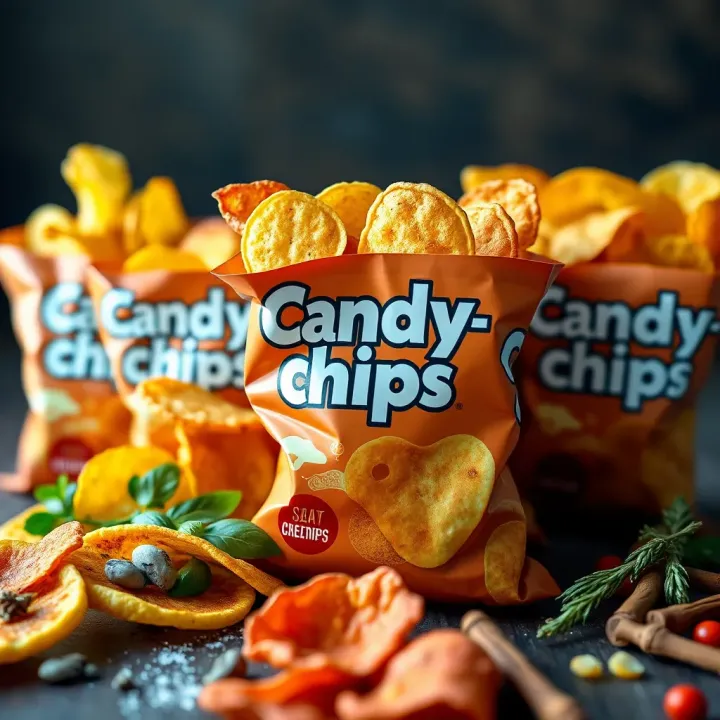
Discover candy-free chips 🍟 offering bold flavours and crunch without the sugar rush. Learn how to pick tasty, healthier snacks for your daily grind.

🎰 Get Big Candy Casino free chip codes with no deposit needed! Tips on finding, using codes & understanding terms for Aussie players. Stay responsible & enjoy!

Discover how to claim and use Big Candy Casino free chips 🍬 to enjoy vibrant slots without spending real cash! Tips, Aussie player advice, and safety info included 🎰
Based on 11 reviews