

Big Candy Bars: Why They’re So Popular
Discover why big candy bars 🍫 are winning hearts, their history, how they fit your snacking habits, plus the challenges in making these larger treats. 🍬
Edited By
James Morgan
Big candy bars have snagged a special place in the world of sweets, not just in Australia but globally. Their hefty size often offers a bit of indulgence or a shareable treat, making them stand out from standard snack options.
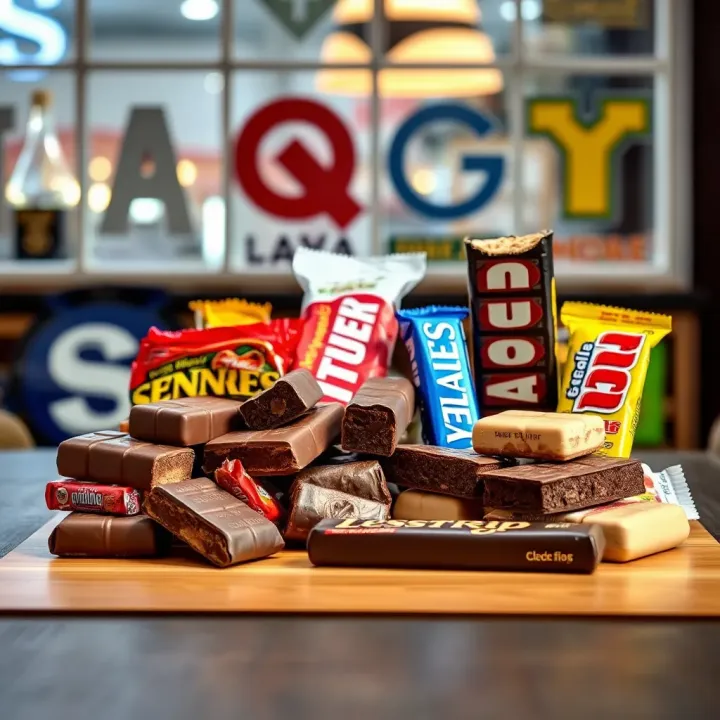
People often reach for these larger bars because they offer more than just a quick sugar hit. There's a bit of nostalgia tied in, particularly with brands like Cadbury Dairy Milk or Allen’s Fantales that Aussies grew up with. Their size means they're often seen as a better value for money, too. Plus, the larger format can make the experience feel more luxurious or satisfying, especially after a long day or during moments when a little treat feels well-earned.
Many big bars in Australia feature classics like Mars, Snickers, or Boost, often available in larger sizes of 60g or more — sometimes hitting the 100g mark for sharing packs. There’s also a growing market for bars with nuts, caramel, or even more exotic additions like sea salt or crunchy biscuits, appealing to those wanting a bit more flavour complexity.
Australians tend to snack in a fairly casual manner—whether on the go or relaxing at home. Big candy bars fit into this lifestyle as flexible treats: they’re easy to break up for sharing or stashing away bit by bit. However, it’s worth remembering that portion control is key, as the larger size often comes with a sugar and energy load that can add up quickly.
Enjoying a big candy bar now and then is perfectly fine, but keeping an eye on portion size helps you indulge responsibly without tipping the scales.
Understanding these aspects gives a clearer picture of why big candy bars hold appeal and how they're woven into everyday moments across Australia.
The story behind large candy bars is key to understanding why these oversized treats hold such a strong place in snacking habits, especially in markets like Australia. Big bars aren't just about quantity; they reflect changing consumer preferences, marketing tactics, and cultural influences that have shaped the confectionery landscape.
In the early 1900s, candy bars were generally modest in size, often wrapped in simple paper or foil. They were targeted as affordable treats rather than substantial snacks. For instance, a standard bar back then might weigh around 20-30 grams, which suited consumers looking for a quick sugar fix. Packaging was basic, mainly protecting the product, with little emphasis on branding or shelf appeal.
Over the decades, consumer taste shifted towards bigger portions, partly due to the rise of convenience culture and value-seeking behaviours. By the 1980s and 90s, suppliers started increasing bar sizes to offer better perceived value amid rising ingredient costs. A classic example is Cadbury’s Boost, which grew in size to attract shoppers wanting a larger, more satisfying snack. This trend also tapped into the indulgence factor—bigger bars became treats to savour or share rather than just a quick bite.
Australian consumers, reflecting a broader global trend, tend to favour larger portions when it comes to snacks. Yet, this is balanced by health awareness prompting some to avoid consistently oversized treats. Cultural occasions like school sports events and family outings often see larger bars being shared, embedding these products into social rituals. The local culture also values good value, so bars that feel generous in size tend to resonate well.
Cadbury stands out in Australia with several signature large bars like the 70g Dairy Milk block or the iconic 200g Freddo Frog slab, which has evolved into bigger formats for sharing. Allen’s is another local player offering larger packs of jelly sweets alongside their bars with mixed ingredients. These brands capitalise on familiar flavours and trusted quality, making their large bars staples in Australian homes.
Global giants such as Mars and Nestlé have a strong presence in Australia, bringing internationally recognised large bars like Mars, Snickers, and KitKat Chunky. These bring variety to the local market, introducing flavours or forms not always produced domestically. Their marketing efforts often highlight size upgrades or limited-time larger formats to capture the attention of Australian consumers looking for novelty or indulgence.
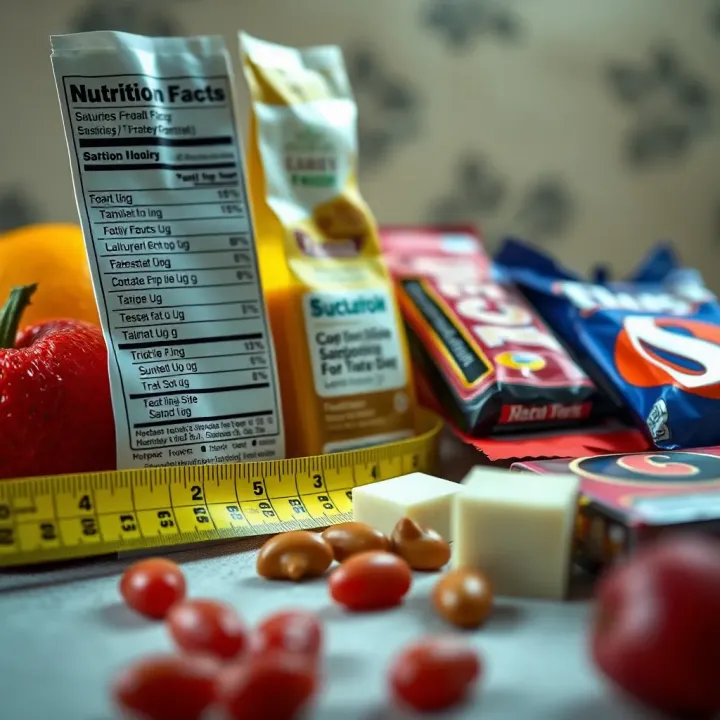
Limited editions and novelty-sized candy bars contribute to keeping consumer interest alive. Brands frequently release special large bars around holidays or events, such as a giant Easter egg or a mega chocolate block for Christmas. These not only generate buzz but serve as seasonal gifts or party centrepieces. While often pricier, they offer a memorable experience and tap into collectors or fans seeking something different.
Whether you’re curious about the history or shopping for the perfect size, big candy bars offer a mix of tradition, innovation, and cultural relevance all wrapped up in chocolate and sugary delights.
Understanding these origins gives you a better grip on why these bars exist as they do, and what drives the Australian market's ongoing appetite for bigger treats.
Big candy bars come in all sorts, and knowing what's out there helps when you're picking one to enjoy or promote. This section breaks down the key flavours, ingredients, and textures that make these oversized treats tick, with examples familiar to the Aussie market.
Chocolate-based bars usually form the backbone of big candy bar offerings. Classic milk chocolate bars like Cadbury's Dairy Milk or international favourites such as Nestlé's Milkybar focus on creamy, rich chocolate as their main draw. This straightforward flavour keeps things simple but satisfying, appealing to those who just want that chocolate hit without too much fuss.
Nut and caramel combinations add a layer of complexity. Taking a bar like Mars or Picnic, you get the crunch of roasted nuts mixed with sticky caramel and smooth chocolate. These bars tend to feel more substantial, giving a bit of variety in texture and a richer flavour profile. The nut and caramel mix offers a tasty contrast that's perfect for those who want a treat with more bite and chew.
Fruit and other flavour blends offer something a little different. Think about the Cherry Ripe or Violet Crumble; they mix traditional chocolate with dried fruit or honeycomb to bring a balance of sweet and tart or light crunch. These blends can refresh the palate and are often seen as a welcome change from the ultra-sweet heavyweights.
Solid bars vs. filled bars represent two main paths in candy bars. Solid bars, like a plain Toblerone, rely on the texture and flavour of chocolate itself. Filled bars, on the other hand, include centres of caramel, nougat, or cream, which adds complexity and often keeps the bar softer for longer. For marketers, understanding which appeals to your audience is key: solid bars offer purity and simplicity, while filled bars provide layers to enjoy.
Crunchy, chewy and soft centres cater to different preferences and eating experiences. Crunchy centres, like brittle or roasted nuts, provide a satisfying snap, while chewy centres like caramel or nougat offer a longer-lasting chew. Soft centres (cream or mousse) create a melt-in-the-mouth feeling. This diversity helps brands target specific tastes or moments, whether that’s quick satisfaction or slower indulgence.
Packaging styles for big bars matter more than people might think. Big bars come wrapped in foil, plastic, or a combination, sometimes with sections or shareable portions. For example, Cadbury’s 'Giant Blocks' are sectioned, making sharing easier. Packaging keeps the product fresh, ensures it doesn’t squish easily in a backpack, and can influence buying decisions if it looks neat and resealable.
The take-home is simple: the appeal of big candy bars lies as much in their flavour and texture variety as in their practicality for sharing and storage. Knowing what’s on offer helps you pick the right bar for your needs—be it a quick nibble or a shareable treat.
By understanding these types and textures, marketers, gamers and content creators can connect better with candy bar fans, targeting preferences precisely whether for personal enjoyment or promotional activity.
Understanding the nutritional content and health impact of big candy bars is essential, especially for those who enjoy snacks but want to keep an eye on their wellbeing. These bars can pack a hefty punch in calories, sugar, fat, and salt, which affects not just your daily intake but also how often and how much you should consume.
Big candy bars often come loaded with sugar and calories. It's pretty common to find a single bar containing upwards of 1,000 kilojoules, with sugar levels ranging between 30 to 50 grams per bar – that’s approximately two to four teaspoons of sugar per 50 grams of chocolate, but a large bar can be much heavier. For example, a 200-gram bar of Cadbury Dairy Milk can have over 40 grams of sugar, which quickly adds up if you’re snacking on multiple bars or larger sizes. Consuming excess sugar can lead to energy crashes and, over time, increase the risk of dental issues and conditions like type 2 diabetes.
Big candy bars also tend to have high fat content, particularly saturated fats, which contribute to overall calorie load. A bar like Nestlé’s Violet Crumble, while delicious, involves a combination of fats from the chocolate coating and caramel centre. Salt might seem less obvious, but it’s often present in caramel or nut-filled bars, enhancing flavour but adding to salt intake. Excessive consumption of fats and salt through candy bars can affect heart health and blood pressure if not managed properly.
When you compare large candy bars with smaller ones, the numbers obviously jump. A small 40-gram bar might have about 900 kilojoules, while a double-sized bar could hit 1,800 kilojoules or more. However, it's worth keeping in mind that sometimes people assume a bigger size means more sharing, but it’s equally easy to finish a large bar solo, leading to unintentional overconsumption. Understanding these differences can help guide conscious choices about portion size.
To enjoy big candy bars without guilt, try breaking them up into portions before you start eating. Wrapping sections separately, or using them as treats to share, can prevent the temptation of finishing the entire bar in one go. Slowly savouring the chocolate and mixing it with other snacks like fruit or nuts can balance the sugar hit and keep your energy steady. It’s also smart to avoid using large bars as a regular everyday treat — reserve them for occasional indulgence instead.
Regularly consuming large amounts of sugar, fat, and salt in candy bars raises the risk of weight gain, tooth decay, and metabolic conditions like insulin resistance. For those already managing health issues such as hypertension or diabetes, oversized candy bars can be problematic. The fast energy provided by sugar often leads to uneven blood sugar levels, leaving you feeling lethargic or craving more sugary foods.
Remember, it’s not just about eating candy bars but how often and how much you consume at once that influences your health over time.
If you’re keen to control portion size without missing out on sweet treats, consider buying smaller bars or snack-sized options that are pre-portioned. Brands like Cadbury and Mars often offer mini or fun-size bars in supermarkets. Homemade treats using natural sweeteners or dark chocolate with higher cocoa content can also provide flavour with less sugar and fat. Another idea is to complement your sweet cravings with yoghurt, fresh berries, or nuts to satisfy without tipping the scales.
Balancing enjoyment with nutrition means understanding what’s inside those big candy bars and making smart decisions about how to fit them into your diet. That way, you can get your chocolate fix without throwing your health out of whack.
Big candy bars have carved out a unique spot within Australian snack culture, bringing more than just extra chocolate to the table. Whether it's for sharing, gifting, or just treating yourself, large bars often become the centrepieces of casual get-togethers or laid-back celebrations. Their appeal lies not only in their size but also in the social habits and traditions around snacking Down Under.
Big candy bars often serve as easy and popular gifts. For birthdays, Christmas, or even informal thank-yous, a sizeable chocolate bar can be a simple way to show appreciation without much fuss. It's common to see oversized versions of familiar favourites like Cherry Ripe or Cadbury Dairy Milk popping up as kid’s party treats or stocking fillers. Beyond just giving, these bars hold a celebratory charm because their size makes the moment feel a little more special.
Sharing is a key part of Aussie snack traditions. Big candy bars naturally fit into this, particularly in social settings like footy matches or barbies, where handing around a giant Snickers or Mars bar can be just as much about camaraderie as satisfying a sweet tooth. This sharing culture means these bars often get split among friends or family, making them affordable, fun, and communal. The size lets everyone grab a piece without the guilt of peeling into multiple smaller bars.
Businesses and event organisers often use large candy bars to grab attention or reward patrons. At giveaways, fundraisers, or trade shows, a jumbo chocolate bar is an instant crowd-pleaser and conversation starter. Brands like Cadbury or Nestlé might release limited-edition big bars tied to holidays or sporting events like the AFL Grand Final, tapping into that thrill of exclusivity and spectacle.
Big candy bars are widely stocked at major supermarkets like Woolworths and Coles as well as petrol station convenience stores. Their shelf presence is significant, often displayed near checkout counters to encourage impulse buys. This accessibility caters to shoppers who want a quick sweet fix or last-minute gift, and their popularity means stores keep a steady supply of the most recognised Australian and international brands.
For those after rarer or novelty big bars, specialty sweet shops and online retailers come into play. Stores specialising in imported confectionery or boutique chocolates often carry oversized bars with unique flavours or artisan ingredients not seen in mainstream outlets. Online shopping also opens the door to limited releases and niche brands, making it easier to find that specific oversized bar to impress mates or indulge yourself.
Price points for big candy bars vary depending on brand, size, and rarity. Generally, buying bigger bars offers a better cost-per-gram deal compared to several smaller bars, which appeals to budget-conscious shoppers. However, premium or limited-edition bars can command a higher price, reflecting their uniqueness. Availability tends to skew towards urban areas with better retail reach, but online platforms help bridge the gap for folks in regional zones eager to find their favourite large treats.
Oversized candy bars in Australia aren't just about the extra chocolate—they're woven into social habits, gifts, and even marketing strategies, reflecting the laid-back but sharing nature of the culture.
Discover why big candy bars 🍫 are winning hearts, their history, how they fit your snacking habits, plus the challenges in making these larger treats. 🍬

Explore big candy packs 🍬 for variety and value in one go. Find tips on types, storage, where to buy and picking the right sweets for your next party or treat stash 🍫
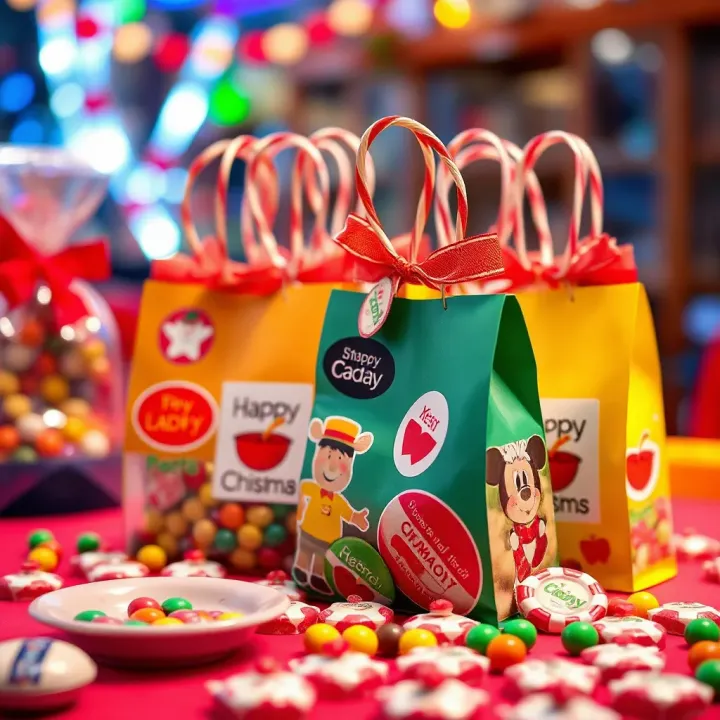
Find out how to pick the best big candy bags for your party 🍬, considering guests’ age, budget, treat quality, and fun ways to match your theme.
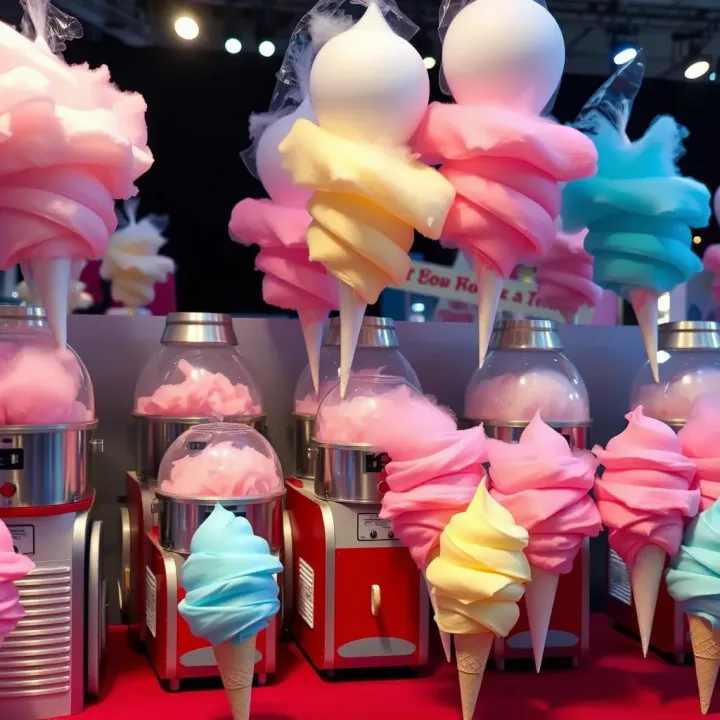
Discover how big candy floss machines work 🍭, explore types, uses, maintenance tips, and safety advice to pick and care for your perfect candy fluff setup 🎉.
Based on 14 reviews